

Navigating the intricate landscape of clinical research requires a distinct set of skills from Clinical Studies Coordinators, who are essential to the success of trials. Mastery in project management, regulatory compliance, and communication not only boosts the efficiency of research processes but also safeguards the integrity of study outcomes. As the field continues to evolve, a crucial question emerges: what essential skills must every coordinator cultivate to excel in this dynamic environment? This article explores ten critical competencies that can elevate the role of Clinical Studies Coordinators and propel the success of clinical investigations.
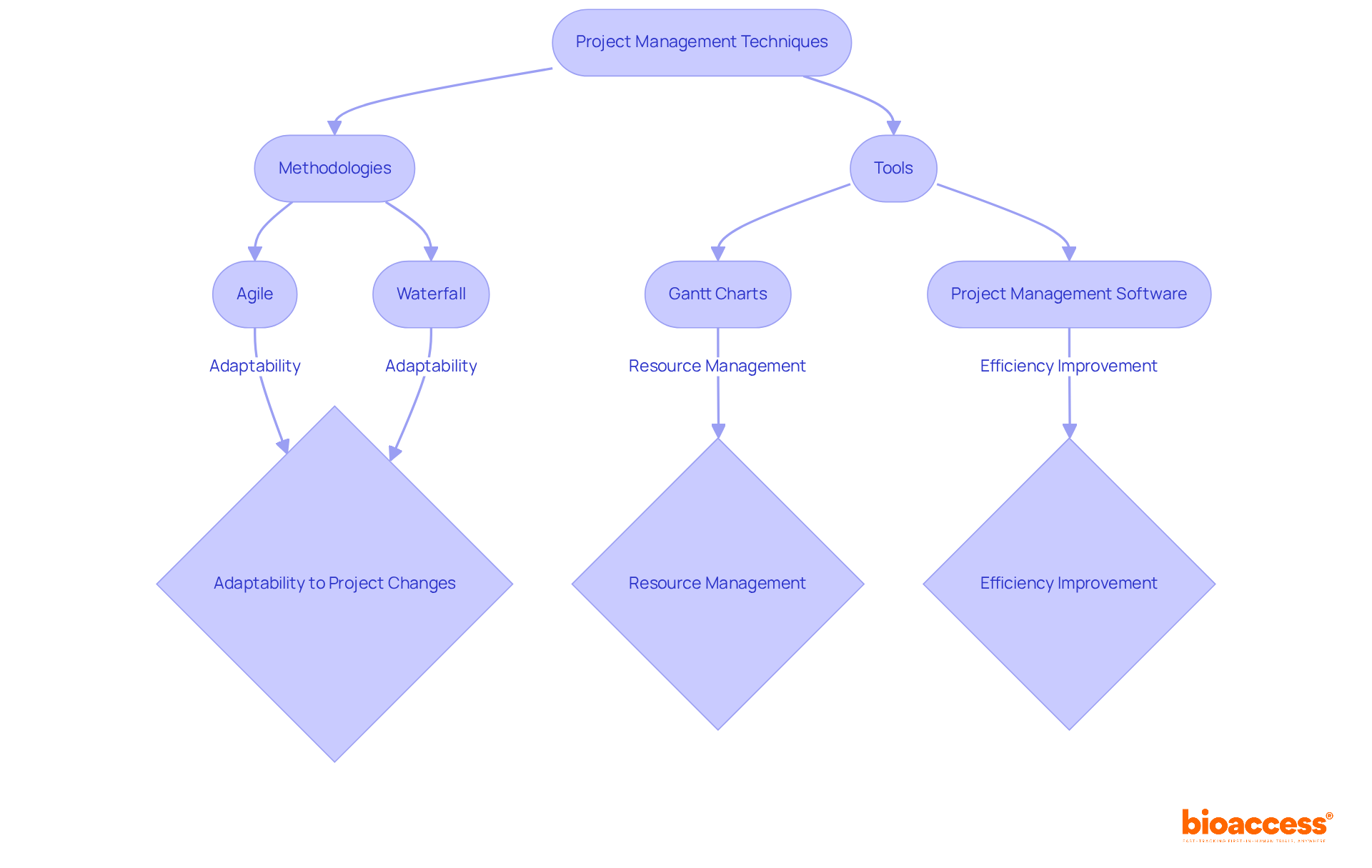
The success of clinical research heavily relies on Clinical Studies Coordinators, whose excellence in project management methods is essential for effectively overseeing the planning, execution, and conclusion of research studies. Mastery of tools like Gantt charts is vital, as they visually represent project timelines and task dependencies, which facilitates better resource management and progress tracking. Research shows that organizations leveraging project management software experience improved efficiency and reduced timelines, highlighting its significance in clinical research.
Understanding methodologies such as Agile and Waterfall enhances a coordinator's ability to adapt to changing project requirements and schedules. This adaptability ensures that experiments remain on track and comply with regulatory standards. At bioaccess, we integrate these methodologies into our strategy, empowering Trial Coordinators to take advantage of our expedited regulatory approval process, which can take as little as 6-8 weeks, significantly enhancing project timelines.
Continuous analysis of project performance is vital. At bioaccess, we employ specific tools to identify areas for improvement and adjust strategies as needed. By implementing these strategies, clinical studies coordinators can significantly enhance the success of clinical investigations, particularly through bioaccess's innovative solutions and expertise in managing diverse types of studies. Are you ready to elevate your clinical research efforts? Let's explore how we can collaborate to achieve your goals.
A thorough understanding of regulatory compliance, particularly Good Clinical Practice (GCP) and local regulations, is essential for Clinical Studies Coordinators. This expertise is crucial to ensure that every aspect of the examination, from informed consent to data management, meets ethical standards. The significance of GCP in medical research cannot be overstated; it underpins the integrity and reliability of study results. Success stories illustrate how adherence to GCP has facilitated smoother regulatory approvals and improved trial efficiency.
Consistent training and updates on regulatory changes are vital for maintaining compliance, empowering coordinators to effectively navigate the evolving landscape of research. As the Medtech field continues to grow, the role of clinical studies coordinator becomes increasingly important in addressing key challenges. Their expertise not only enhances the quality of research but also fosters collaboration among stakeholders, paving the way for innovative solutions in clinical trials.

Cultivating robust communication abilities is essential for Research Coordinators. They must effectively convey information to team members, sponsors, and regulatory bodies. This encompasses both verbal and written communication, along with the skill to tailor messages for different audiences.
Participating in workshops or training sessions can significantly enhance these skills, fostering a more effective and collaborative research environment.

A clinical studies coordinator must enhance their data management abilities by mastering data management systems (CDMS) and electronic data capture (EDC) tools. A deep understanding of data integrity and security protocols is essential for maintaining the accuracy and reliability of trial data. In 2026, the emphasis on data integrity in medical research remains critical, as it directly impacts patient safety and regulatory compliance. Regular training on data management best practices not only enhances their capabilities but also ensures adherence to evolving industry standards.
Moreover, the rigorous final review process carried out by the CDM team is essential for verifying data accuracy. Adherence to international regulations and ethical standards is fundamental in Data Management (CDM). As part of extensive healthcare research management services, a clinical studies coordinator also participates in:
As highlighted by Dan Beaudry, effective planning as a cross-functional team is essential for risk evaluation in every study. This underscores the collaborative effort needed to maintain data integrity. By fostering teamwork and communication, organizations can navigate the complexities of clinical research more effectively.

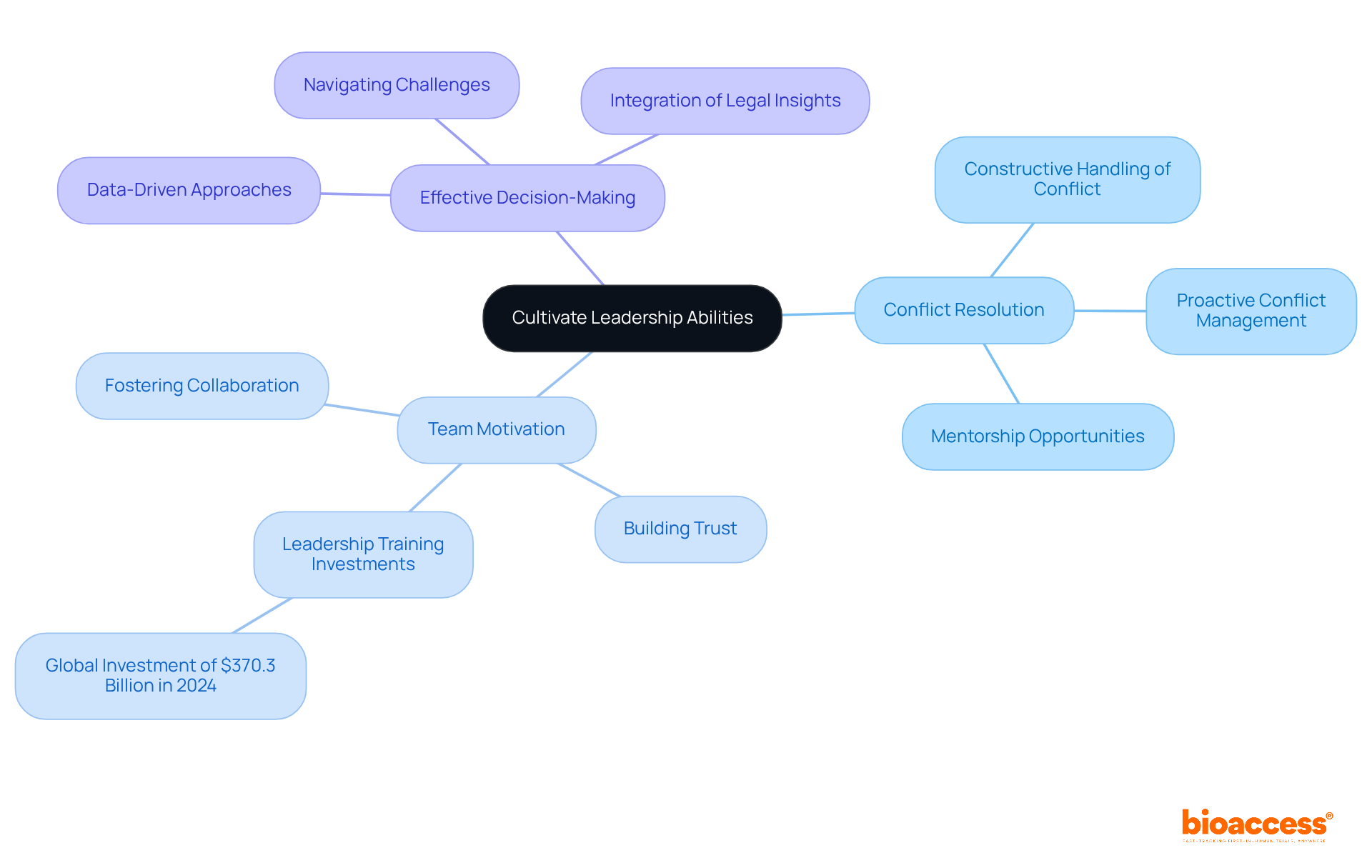
Cultivating leadership skills is crucial for a clinical studies coordinator, as these abilities significantly influence study outcomes. Key competencies such as:
are essential. Engaging in targeted leadership training programs, which saw global investments of approximately $370.3 billion in 2024, equips clinical studies coordinators with vital tools and fosters a culture of collaboration within clinical research teams. Additionally, mentorship opportunities enhance these skills, enabling coordinators to navigate challenges effectively and achieve successful outcomes.
The ability to resolve conflicts constructively is particularly vital. As Ronald Reagan aptly stated, "Peace is not the absence of conflict, it is the ability to handle conflict by peaceful means." This perspective not only promotes a positive team dynamic but also ensures that research objectives are met efficiently. By prioritizing leadership development, the role of a clinical studies coordinator can drive their teams toward success, ultimately enhancing the quality and impact of clinical research.
To effectively tackle challenges that arise during studies, clinical studies coordinators must enhance their problem-solving abilities. This systematic approach involves:
Techniques like root cause analysis are essential for identifying underlying problems, while scenario planning helps anticipate future challenges and develop contingency strategies.
Research indicates that employing structured problem-solving methods can significantly enhance the effectiveness of trials, leading to improved outcomes and more efficient processes. By mastering these strategies, coordinators can navigate complexities with greater confidence and contribute to the overall success of clinical studies.
Consider this: how often do unforeseen challenges disrupt your clinical research efforts? By adopting a proactive stance and utilizing these techniques, you can not only mitigate risks but also drive your studies toward success.

Fostering teamwork and collaboration is crucial for a clinical studies coordinator. By promoting open dialogue and clearly defining roles within the group, we create an environment of mutual respect-essential for effective project management. Engaging in team-building activities not only strengthens interpersonal relationships but also enhances collaboration among team members. Regular meetings serve as a platform for exchanging insights and addressing challenges, ultimately leading to improved outcomes.
Successful case studies, such as those highlighted in the 'Quality of Teamwork and Patient Outcomes,' illustrate that teams with robust collaborative practices navigate the complexities of research more adeptly. This results in more efficient and effective trial management. As Sallie J. Weaver noted, ineffective care coordination poses a significant public health concern, underscoring the critical need for effective collaboration in research.
Moreover, with over 1.5 million healthcare workers having completed the TeamSTEPPS program, the importance of teamwork training is widely acknowledged. This reinforces the value of structured team-building activities, which are essential for fostering a collaborative spirit among clinical studies coordinators in clinical research.

Clinical studies coordinators must develop adaptability in constantly changing environments. This adaptability is crucial for navigating the complexities of medical research, as it requires an openness to change, the ability to swiftly adjust plans, and a knack for devising innovative solutions to unforeseen challenges. Embracing change not only enhances their capacity to manage these complexities but also builds resilience.
A prime example of successful change management is the collaboration between bioaccess® and Caribbean Health Group, which has established Barranquilla as a leading research hub in Latin America. This partnership has achieved ethical approvals in as little as 4-6 weeks, allowing for faster enrollment and improved patient outcomes. Such agility demonstrates that a proactive approach to change can significantly enhance the effectiveness of the role of a clinical studies coordinator.
By embracing a mindset that welcomes transformation, Research Coordinators can better assist their teams and contribute to the progress of medical innovations. As Maya Angelou wisely stated, "If you don't like something, change it. If you can't change it, change your attitude." This perspective is essential for fostering a culture of adaptability and success in clinical research.

For Clinical Studies Coordinators, ethical judgment is essential as they are instrumental in ensuring that all research activities adhere to ethical standards. This responsibility encompasses the vital process of obtaining informed consent, which protects participant autonomy and welfare. Ongoing training in ethical principles, coupled with active participation in ethics committees - responsible for authorizing informed consent documents before studies begin - equips coordinators with the knowledge needed to effectively navigate complex ethical challenges.
For example, during the COVID-19 pandemic, obstacles in securing informed consent, particularly for individuals facing illiteracy, underscored the necessity for innovative communication strategies. These strategies, such as utilizing audiovisual aids, can significantly enhance understanding among vulnerable populations. As one interviewee remarked, "Never change consent in times of crisis; doctors always have conflicts of interest." By prioritizing ethics training, a clinical studies coordinator can uphold the integrity of clinical research, ensuring that participant safety remains paramount in all study activities.

Technical proficiency in research tools is essential for Studies Coordinators (CSCs) aiming to excel in their roles. Mastery of software for data collection, analysis, and reporting is not just beneficial; it’s vital. Familiarity with Electronic Health Records (EHR) streamlines patient data management, ensuring accurate and timely access to critical information. Moreover, Clinical Study Management Systems (CSMS) significantly enhance study efficiency by centralizing participant data, regulatory documents, and study protocols. This centralization promotes better communication and collaboration among stakeholders.
For instance, CTMS platforms have been shown to greatly improve study operations by providing comprehensive tools for monitoring progress and adhering to schedules. Furthermore, expertise in statistical analysis software allows CSCs to extract valuable insights from complex datasets. This capability enables them to make data-informed decisions that enhance study outcomes. As clinical trials increasingly depend on advanced technology, it is imperative for CSCs to continuously refine their technical skills to keep pace with evolving tools and methodologies.
In conclusion, the integration of these technical proficiencies not only supports individual success but also drives the overall effectiveness of clinical research initiatives.

Mastering essential skills as a Clinical Studies Coordinator is pivotal for the success of clinical research. The ability to manage projects effectively, understand regulatory compliance, communicate proficiently, and demonstrate leadership ensures not only the smooth execution of studies but also enhances the quality of research outcomes. Coordinators who embrace adaptability and ethical judgment contribute significantly to fostering a culture of innovation and integrity within clinical trials.
Key competencies such as:
are critical for navigating the complexities of clinical research. Continuous training and collaboration are emphasized, underscoring the importance of staying updated with industry standards and fostering a supportive team environment. Each skill discussed serves as a building block that empowers Clinical Studies Coordinators to excel in their roles.
Ultimately, the call to action is clear: investing in these essential skills is crucial for advancing the field of clinical research as a whole. By prioritizing professional development and embracing a collaborative spirit, Clinical Studies Coordinators can play a transformative role in driving medical innovation and improving patient outcomes.
What is the role of Clinical Studies Coordinators in clinical research?
Clinical Studies Coordinators are essential for overseeing the planning, execution, and conclusion of research studies, ensuring the success of clinical research.
Why are project management techniques important for Clinical Studies Coordinators?
Mastery of project management techniques, such as using Gantt charts, is vital for effectively managing project timelines, task dependencies, resource management, and progress tracking in clinical research.
How does project management software impact clinical research?
Organizations that leverage project management software experience improved efficiency and reduced timelines, highlighting its significance in clinical research.
What methodologies should Clinical Studies Coordinators understand?
Clinical Studies Coordinators should understand methodologies such as Agile and Waterfall, which enhance their ability to adapt to changing project requirements and schedules.
How does bioaccess support Trial Coordinators in regulatory approval processes?
Bioaccess integrates Agile and Waterfall methodologies into its strategy, empowering Trial Coordinators to take advantage of an expedited regulatory approval process that can take as little as 6-8 weeks.
Why is continuous analysis of project performance important?
Continuous analysis helps identify areas for improvement and allows Clinical Studies Coordinators to adjust strategies as needed, significantly enhancing the success of clinical investigations.
What are the key regulatory compliance requirements for Clinical Studies Coordinators?
A thorough understanding of Good Clinical Practice (GCP) and local regulations is crucial to ensure that all aspects of the examination, from informed consent to data management, meet ethical standards.
How does adherence to Good Clinical Practice (GCP) benefit clinical trials?
Adherence to GCP facilitates smoother regulatory approvals and improves trial efficiency, underpinning the integrity and reliability of study results.
Why is ongoing training important for Clinical Studies Coordinators?
Consistent training and updates on regulatory changes empower coordinators to navigate the evolving landscape of research effectively and maintain compliance.
What communication skills are essential for Research Coordinators?
Research Coordinators must cultivate robust verbal and written communication skills to effectively convey information to team members, sponsors, and regulatory bodies, tailoring messages for different audiences.
How can Research Coordinators improve their communication skills?
Participating in workshops or training sessions can significantly enhance communication skills, fostering a more effective and collaborative research environment.