

Navigating the complex landscape of clinical trials in Romania is crucial for researchers who seek to ensure compliance and efficiency in their studies. The recent implementation of new regulations and streamlined processes underscores the necessity of understanding the legal framework, which is pivotal for successful trial site qualification audits. As the demand for robust patient recruitment and adherence to Good Clinical Practice guidelines intensifies, organizations must consider:
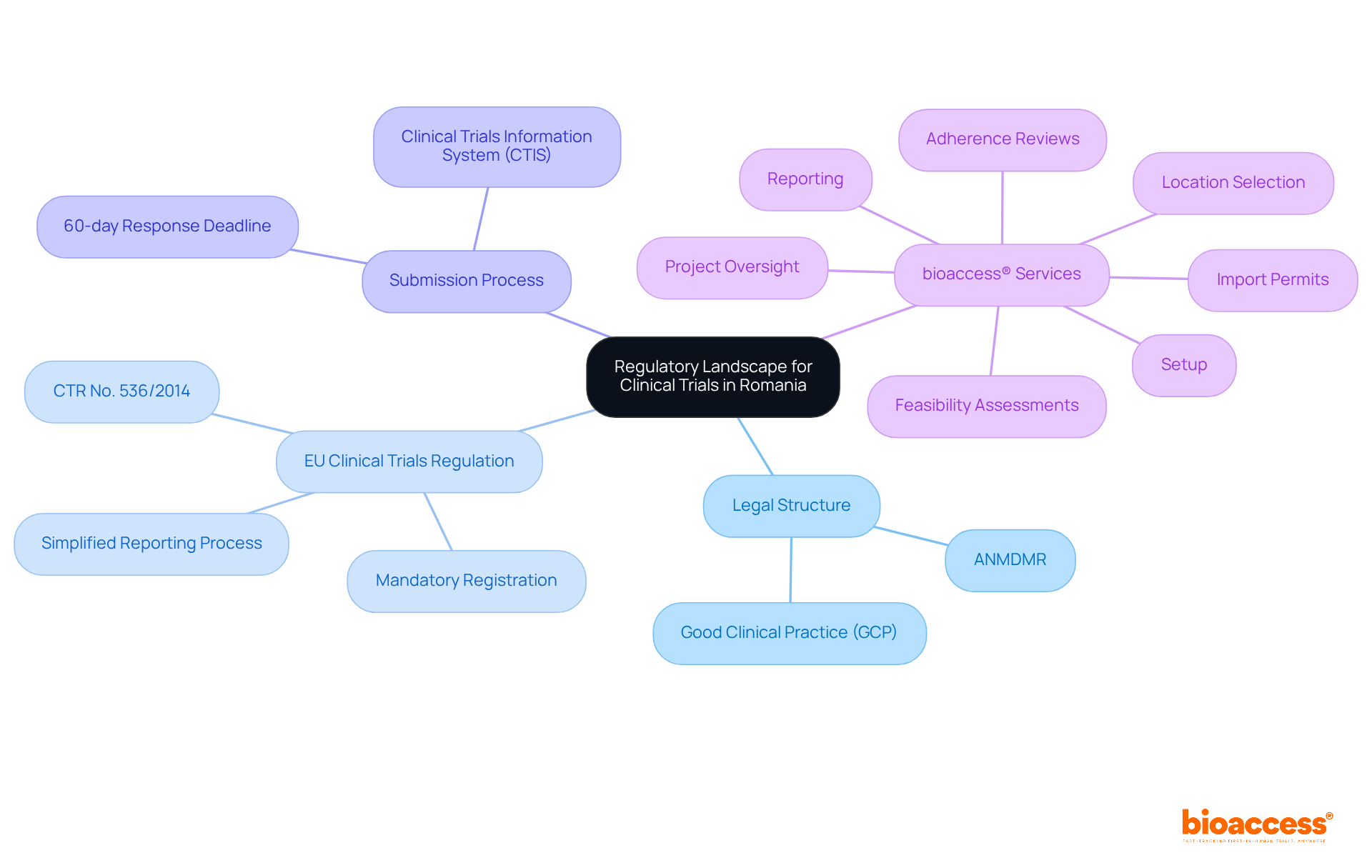
Navigating the legal environment for research studies in Romania is crucial for ensuring compliance and efficiency in clinical research. Understanding the legal structure set by the National Agency for Medicines and Medical Devices (ANMDMR) is essential. Central to this framework is the EU Clinical Trials Regulation (EU No. 536/2014), which mandates adherence to Good Clinical Practice (GCP) guidelines for all medical experiments. Researchers must submit all essential documentation, including study protocols and informed consent forms, in both Romanian and English.
The introduction of the Clinical Trials Information System (CTIS) has streamlined the submission process significantly. With a 60-day deadline for responses from regulatory authorities, this regulation not only enhances transparency but also shortens approval timelines for multi-country research studies. This creates a more efficient environment for medical investigation. Familiarity with these regulations is vital, as it facilitates smoother initiation processes and mitigates the risk of non-compliance, which can lead to substantial delays and penalties.
bioaccess® offers extensive study management services tailored to meet these compliance needs. Their offerings include:
By leveraging these services, Medtech, Biopharma, and Radiopharma startups can effectively navigate the complexities of the regulatory landscape and accelerate their research studies. Collaboration with bioaccess® not only simplifies the process but also empowers organizations to focus on their core objectives in clinical research.
A thorough assessment of location capabilities is essential for the success of trial site qualification audits in Romanian hospitals. This evaluation must cover the site's infrastructure, including available technology, staff qualifications, and prior experience with similar studies. Understanding the patient demographics in Romania is crucial, given the country's diverse population, which can significantly bolster recruitment efforts. As of 2026, Romania's healthcare landscape is thriving, with over 500 active research studies, indicating a robust environment for patient recruitment.
Researchers should focus on key factors such as disease prevalence, which directly impacts patient availability, and historical participation rates in research studies. For example, approximately 4,400 patients are hospitalized annually in relevant departments, providing a substantial recruitment pool. Utilizing feasibility questionnaires and conducting comprehensive trial site qualification audits in Romanian hospitals can yield valuable insights into the operational readiness of testing locations. By aligning site capabilities with the specific requirements of the study, researchers can refine their recruitment strategies, thereby increasing the likelihood of meeting enrollment goals and enhancing the overall quality of research in Romania.

Regular trial site qualification audits in Romanian hospitals are crucial for maintaining compliance and ensuring the quality of clinical trials. A thorough examination of the Investigator Site File (ISF) is vital, as it contains essential documents that demonstrate adherence to standards. Focus areas during these audits should include:
For example, keeping current CVs and medical licenses for all involved staff is critical, underscored by recent findings that highlight the necessity of up-to-date documentation throughout the study's duration.
Adopting a risk-based approach to audits enables the prioritization of high-risk areas, ensuring effective resource allocation. This strategy is supported by case studies revealing common issues, such as incomplete documentation leading to inspection findings. Additionally, conducting mock audits can prepare sites for official inspections and help identify areas for improvement. These proactive measures not only enhance compliance but also cultivate a culture of continuous quality improvement, ultimately resulting in more reliable trial outcomes and increased trust among stakeholders.

Ongoing training is essential for maintaining the expertise of research teams in the latest medical practices and regulatory standards. A structured training program that includes both initial onboarding and continuous education can significantly boost team performance. This program must cover critical areas such as:
Moreover, training should encompass comprehensive research study management services, including:
A blended approach that combines in-person workshops, online courses, and practical training sessions caters to various learning styles and ensures effective knowledge transfer. Cultivating a culture of knowledge sharing within the team not only promotes collaboration but also sparks innovation.
As John F. Kennedy wisely stated, 'Leadership and learning are indispensable to each other.' By prioritizing the continuous development of research personnel, organizations can enhance the quality of trials and improve overall outcomes, ultimately leading to more successful clinical research endeavors. However, it is crucial to recognize common pitfalls in training programs, such as inadequate follow-up or lack of engagement, which can undermine the effectiveness of training initiatives.

Mastering trial site qualification audits in Romanian hospitals is crucial for the success of clinical research endeavors. Understanding the regulatory landscape, evaluating site capabilities, conducting thorough audits, and implementing continuous training are essential strategies that researchers can employ to enhance the efficiency and compliance of their studies. This multifaceted approach not only streamlines processes but also fosters a culture of quality and innovation within research teams.
Key insights from this article underscore the importance of navigating the complex regulatory framework established by the ANMDMR and the EU Clinical Trials Regulation. Additionally, assessing site capabilities and patient demographics is vital for developing effective recruitment strategies. Regular audits ensure compliance and quality, while ongoing training empowers research teams to stay updated with best practices and emerging technologies.
The implications of these best practices extend beyond individual trials; they contribute to a more robust clinical research environment in Romania. By prioritizing compliance, quality, and continuous learning, stakeholders can drive advancements in medical research that ultimately benefit patient care. Embracing these strategies not only enhances the credibility of clinical trials but also positions Romania as a key player in the global research landscape.
What is essential for conducting clinical trials in Romania?
Understanding the legal structure set by the National Agency for Medicines and Medical Devices (ANMDMR) and adhering to the EU Clinical Trials Regulation (EU No. 536/2014) is essential for conducting clinical trials in Romania.
What guidelines must researchers follow for medical experiments in Romania?
Researchers must follow Good Clinical Practice (GCP) guidelines for all medical experiments.
What documentation is required for clinical trials in Romania?
Researchers must submit essential documentation, including study protocols and informed consent forms, in both Romanian and English.
How has the Clinical Trials Information System (CTIS) impacted the submission process?
The CTIS has streamlined the submission process significantly, enhancing transparency and shortening approval timelines for multi-country research studies.
What is the deadline for responses from regulatory authorities regarding clinical trial submissions?
There is a 60-day deadline for responses from regulatory authorities.
Why is familiarity with clinical trial regulations important?
Familiarity with these regulations facilitates smoother initiation processes and mitigates the risk of non-compliance, which can lead to substantial delays and penalties.
What services does bioaccess® offer to help with regulatory compliance in clinical trials?
bioaccess® offers services such as feasibility assessments, location selection, adherence reviews, setup, import permits, project oversight, and reporting.
How can collaboration with bioaccess® benefit startups in the Medtech, Biopharma, and Radiopharma sectors?
Collaboration with bioaccess® simplifies the regulatory process and empowers organizations to focus on their core objectives in clinical research, helping them navigate the complexities of the regulatory landscape effectively.