

In the complex realm of clinical trials, upholding the highest standards of quality assurance is crucial, especially under the Romanian Good Clinical Practice (GCP) guidelines. As medical research continues to evolve, organizations like bioaccess® lead the way, offering vital support to navigate regulatory requirements while prioritizing participant safety and data integrity. Yet, with numerous procedures to adhere to, how can researchers effectively implement these quality assurance practices to not only meet regulations but also enhance study outcomes? This article delves into ten essential quality assurance procedures that are critical for success in Romanian clinical trials, providing insights that can revolutionize the research process and ultimately improve patient care.
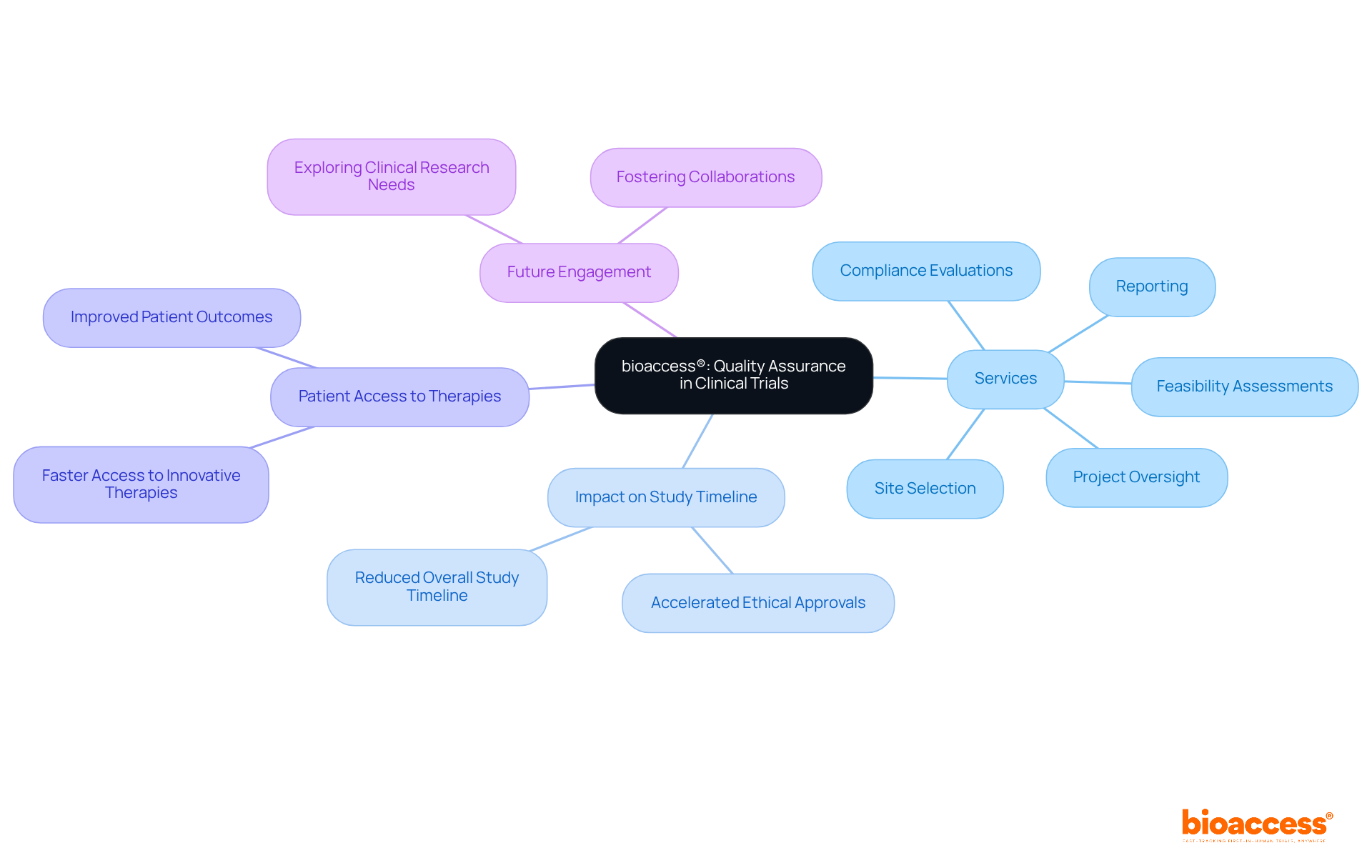
bioaccess® plays a pivotal role in enhancing quality assurance within Romanian studies, leveraging its extensive experience and regional expertise. This organization is committed to ensuring that all medical studies adhere to quality assurance procedures under Romanian GCP, which is essential for safeguarding participant safety and maintaining data integrity.
With a comprehensive suite of study management services - including feasibility assessments, site selection, compliance evaluations, setup, import permits, project oversight, and reporting - bioaccess® effectively streamlines processes. This efficiency accelerates ethical approvals, significantly reducing the overall study timeline. As a result, patients gain faster access to innovative therapies, underscoring bioaccess®'s unwavering dedication to regulatory excellence and effective study execution.
In a rapidly evolving Medtech landscape, bioaccess® addresses key challenges faced by clinical researchers. By fostering collaboration and leveraging its expertise, the organization not only enhances the quality of studies but also contributes to the advancement of healthcare solutions. As we look to the future, the importance of such partnerships cannot be overstated, and the next steps involve engaging with bioaccess® to explore how their services can meet your clinical research needs.
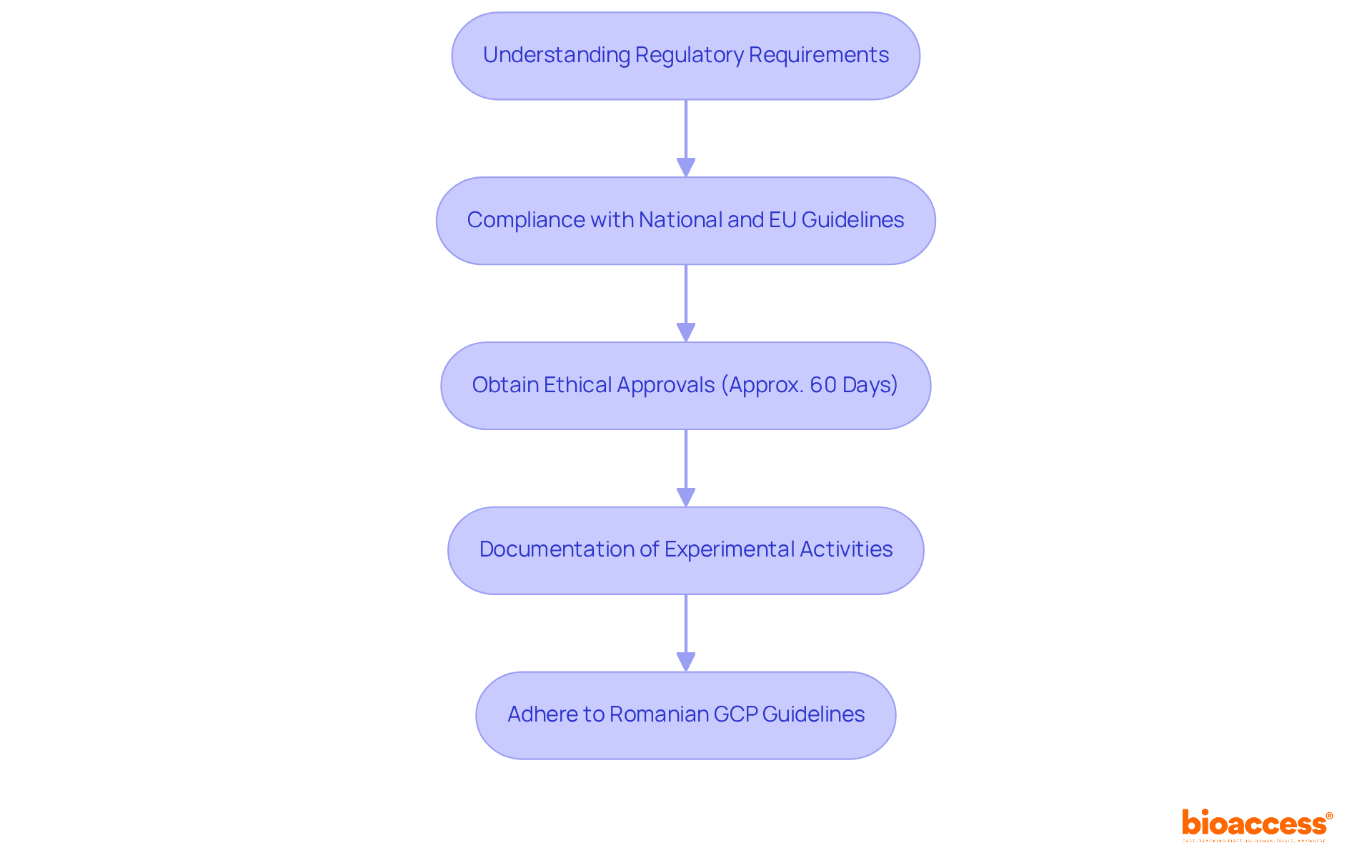
In Romania, the landscape of clinical research is governed by a robust regulatory framework that mandates compliance with both national and EU guidelines, particularly the Clinical Studies Regulation (EU) No 536/2014. This regulation underscores the necessity of adhering to quality assurance procedures under Romanian GCP guidelines, which are crucial for safeguarding the safety and rights of participants. Obtaining ethical approvals is a pivotal step in this process, typically requiring around 60 days, with a median review time of 32 days across various Institutional Review Boards (IRBs). Furthermore, meticulous documentation of all experimental activities is not just a regulatory obligation; it serves as the bedrock for maintaining the integrity of the research process. Regulatory specialists assert that strict adherence to quality assurance procedures under Romanian GCP is vital for cultivating trust among stakeholders and ensuring the reliability of research outcomes.
Recent updates to the regulatory environment have streamlined processes, enhancing the feasibility of conducting medical studies in Romania and significantly increasing the number of patients benefiting from these investigations compared to previous years. Therefore, understanding and applying these regulations is essential for any organization aiming to execute successful research in Romania.
Obtaining ethical approvals is crucial within the quality assurance procedures under Romanian GCP for research studies. This process necessitates the submission of a comprehensive protocol to an ethics committee, which rigorously evaluates the ethical dimensions of the study, including participant safety and informed consent protocols. Notably, the median time for ethics approval in Romania is around 48 days, with timelines varying from immediate approvals to several months. This variability highlights the need for efficient processes; studies that benefit from expedited ethical reviews often see improved recruitment and retention rates, with some reporting up to a 30% increase in participant enrollment.
Furthermore, insights from ethics committee members underscore the significance of thorough ethical considerations in research, reinforcing the commitment to participant welfare and regulatory compliance. According to the revised legislation (Law 249/2022), the regulatory approval procedure now mandates a maximum of 60 days for new research applications, streamlining the ethical approval process. By prioritizing ethical approvals, researchers can significantly enhance their chances of achieving successful study outcomes in the competitive landscape of medical research.

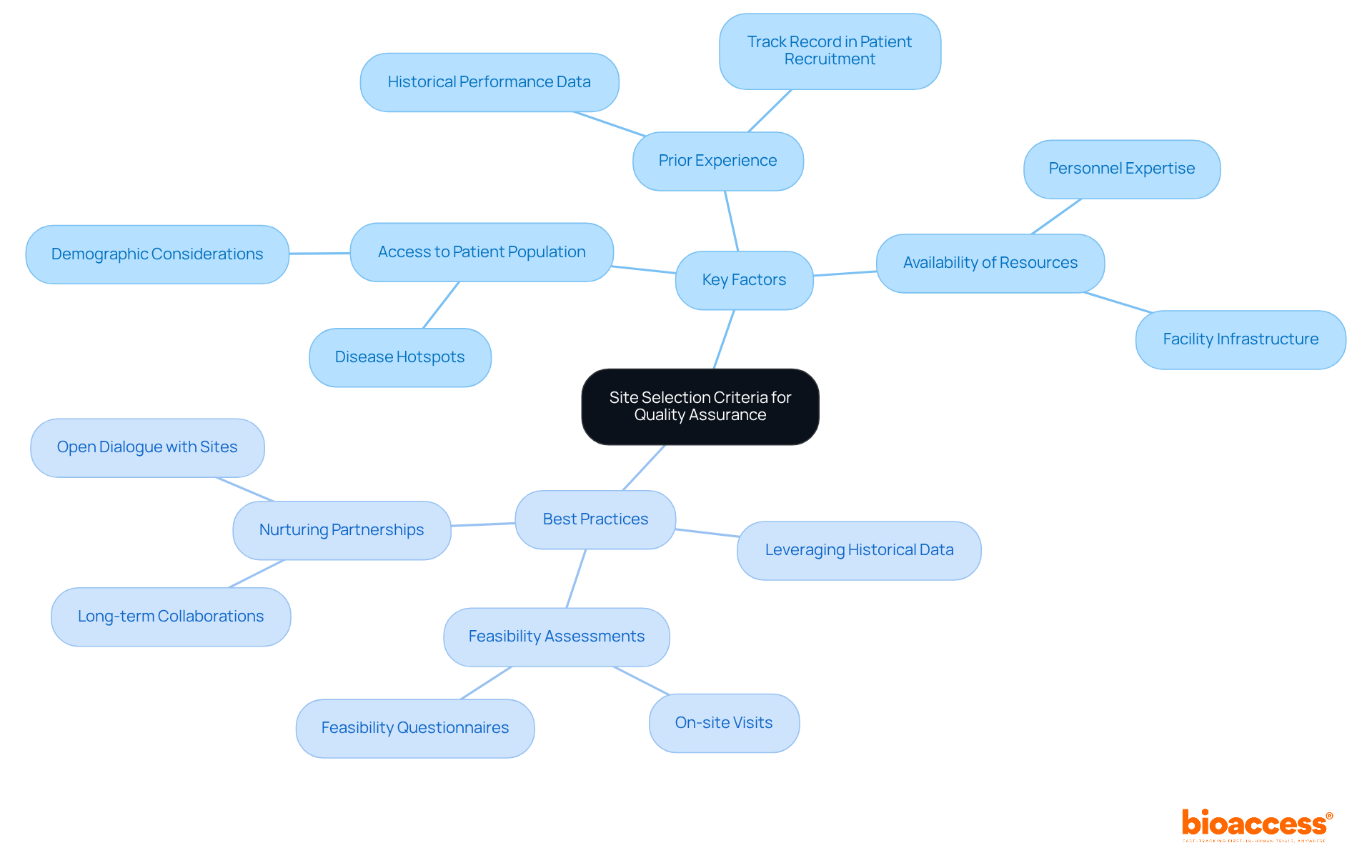
Establishing strong criteria for selection is crucial for upholding high standards in clinical trials. The key factors influencing location selection encompass:
Open dialogue between sponsors and locations is vital; it fosters a comprehensive understanding of each location's strengths and weaknesses.
Moreover, the success rates of clinical studies are significantly shaped by these selection criteria. Research indicates that locations with a proven track record in patient recruitment and protocol compliance tend to yield better outcomes. In 2025, best practices for location selection involve:
By meticulously evaluating potential locations against these established criteria, sponsors can greatly enhance the likelihood of successful study outcomes and ensure data integrity throughout the research process. This collaborative approach not only addresses key challenges in the Medtech landscape but also reinforces the importance of strategic partnerships in clinical research.
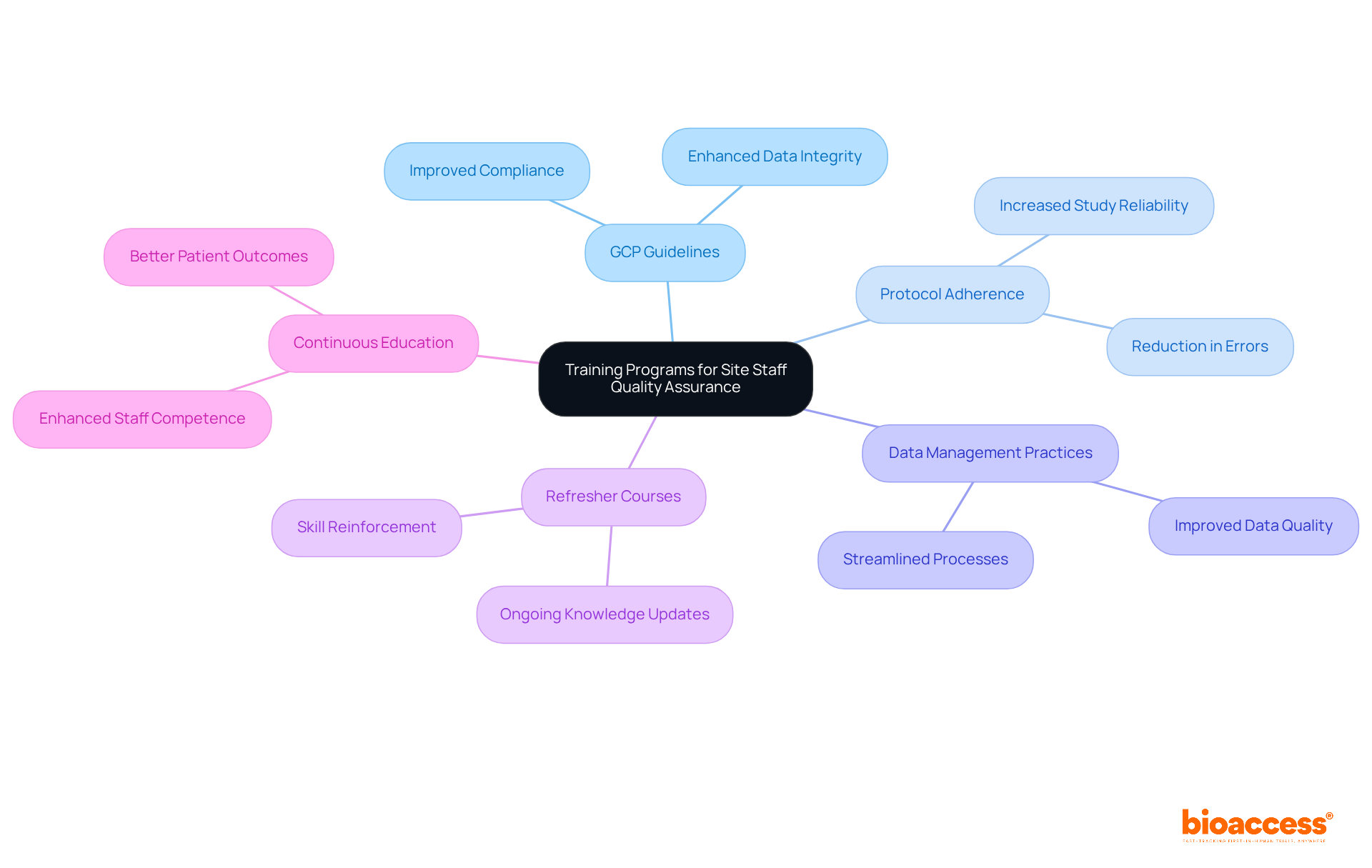
Establishing thorough training programs for site personnel is essential for upholding assurance standards in research studies. These initiatives must cover GCP guidelines, protocol adherence, and effective data management practices. Regular refresher courses and assessments are crucial to keep staff informed about the latest regulatory requirements and best practices. Continuous education not only enriches the knowledge base of research staff but also significantly elevates the overall quality of studies.
Experts emphasize that targeted training programs can boost staff's self-perception of competence, ultimately leading to improved patient outcomes and the integrity of research. The positive impact of GCP training on study quality is evident, as it fosters a culture of compliance and excellence within research management, particularly through quality assurance procedures under Romanian GCP in Romania's evolving regulatory landscape. Furthermore, bioaccess's extensive research management services - including feasibility studies, site selection, compliance reviews, setup, import permits, project management, and reporting - underscore the importance of well-trained personnel in achieving successful study outcomes.
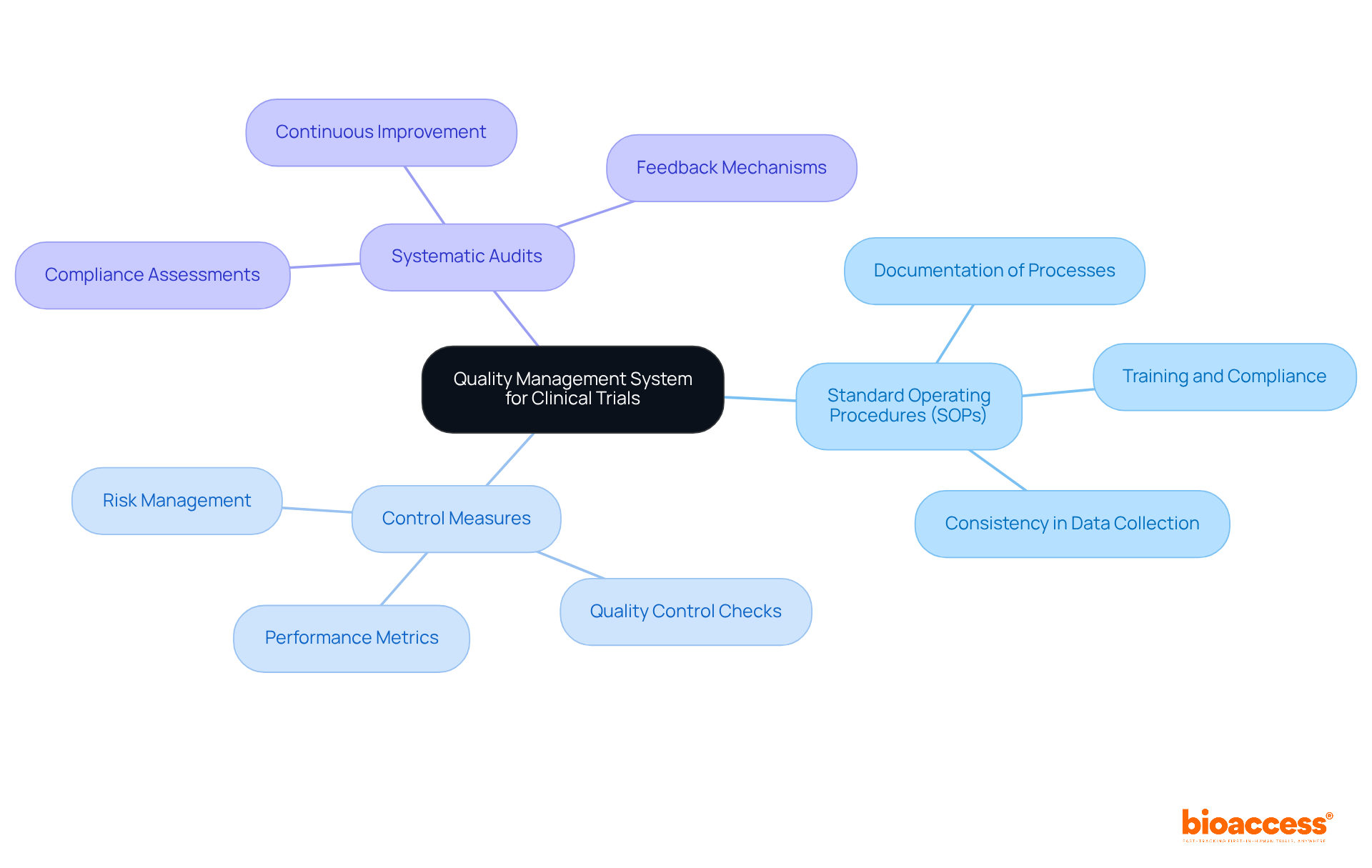
Creating a strong Quality Management System (QMS) is essential for ensuring adherence and upholding high standards in clinical studies. A well-organized QMS includes standard operating procedures (SOPs), control measures, and systematic audits to assess compliance with quality assurance procedures under Romanian GCP. This framework not only promotes a culture of excellence and responsibility but also significantly enhances the dependability of test results.
In Romania, the implementation of a QMS has been shown to enhance compliance rates through effective quality assurance procedures under Romanian GCP. Organizations report that adherence to SOPs leads to more consistent and reliable data collection. As we approach 2025, the significance of a QMS in research cannot be overstated; it acts as the foundation for successful study execution and regulatory adherence. Quality assurance experts stress that excellence is not a coincidence but the outcome of deliberate efforts and ongoing enhancement. This reinforces the idea that a proactive strategy for management is crucial for the success of studies in Romania, especially in the context of quality assurance procedures under Romanian GCP.
At Bioaccess, our thorough research management services - including feasibility studies, site selection, compliance reviews, setup, import permits, project management, and reporting - are designed to support the establishment of an effective QMS. We are committed to driving global health enhancement through innovation and regulatory excellence.
Comprehensive documentation and meticulous record-keeping are vital for quality assurance procedures under Romanian GCP in medical studies. This involves maintaining thorough records of participant consent, study protocols, and data collection methodologies. In Romania, where adherence to regulatory standards is paramount, proper documentation is essential for quality assurance procedures under Romanian GCP, ensuring compliance and facilitating the accurate reconstruction and auditing of procedures when necessary. Recent data indicates that adherence to documentation requirements in Romanian studies is critical, with over 500 active projects underscoring the need for stringent record-keeping practices.
Best practices in this area include:
Authorities in regulatory compliance emphasize that efficient record-keeping is crucial for safeguarding the integrity of medical research and enhancing the reliability of study results, which aligns with quality assurance procedures under Romanian GCP.
As the Medtech landscape evolves, the role of bioaccess in addressing these challenges becomes increasingly significant. Collaboration among stakeholders is crucial to navigate the complexities of clinical research effectively. Moving forward, it is imperative to prioritize robust documentation practices to ensure the success and credibility of medical studies.

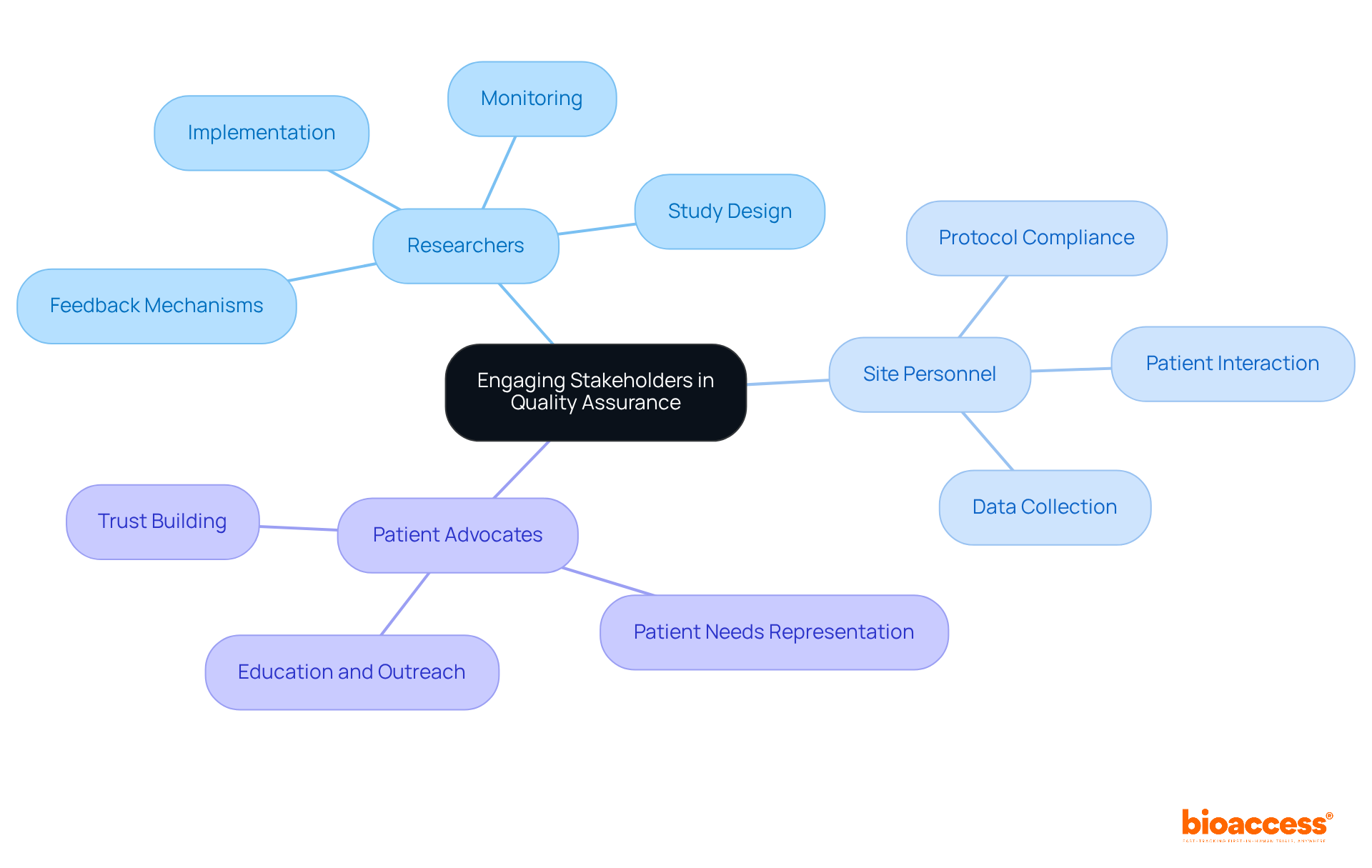
Involving stakeholders - researchers, site personnel, and patient advocates - is essential for enhancing the quality assurance procedures under Romanian GCP in clinical studies. Their engagement in discussions about study design, implementation, and monitoring provides sponsors with invaluable insights that significantly improve study quality and participant safety. For example, a recent study revealed that 74% of researchers noted increased study comprehensiveness due to stakeholder engagement. Consistent communication and feedback mechanisms are vital to ensure all parties remain aligned with the study's objectives, fostering a collaborative environment that prioritizes patient needs.
Clinical study coordinators have found that integrating stakeholder perspectives not only refines study protocols but also boosts recruitment strategies, ultimately leading to improved outcomes. In the context of bioaccess™'s partnership with Caribbean Health Group, which aims to position Barranquilla as a leading hub for research activities in Latin America, this involvement is particularly crucial. Supported by Colombia's Minister of Health, this initiative highlights the significance of stakeholder participation in achieving high-quality research that adheres to quality assurance procedures under Romanian GCP, meeting both regulatory standards and patient expectations.
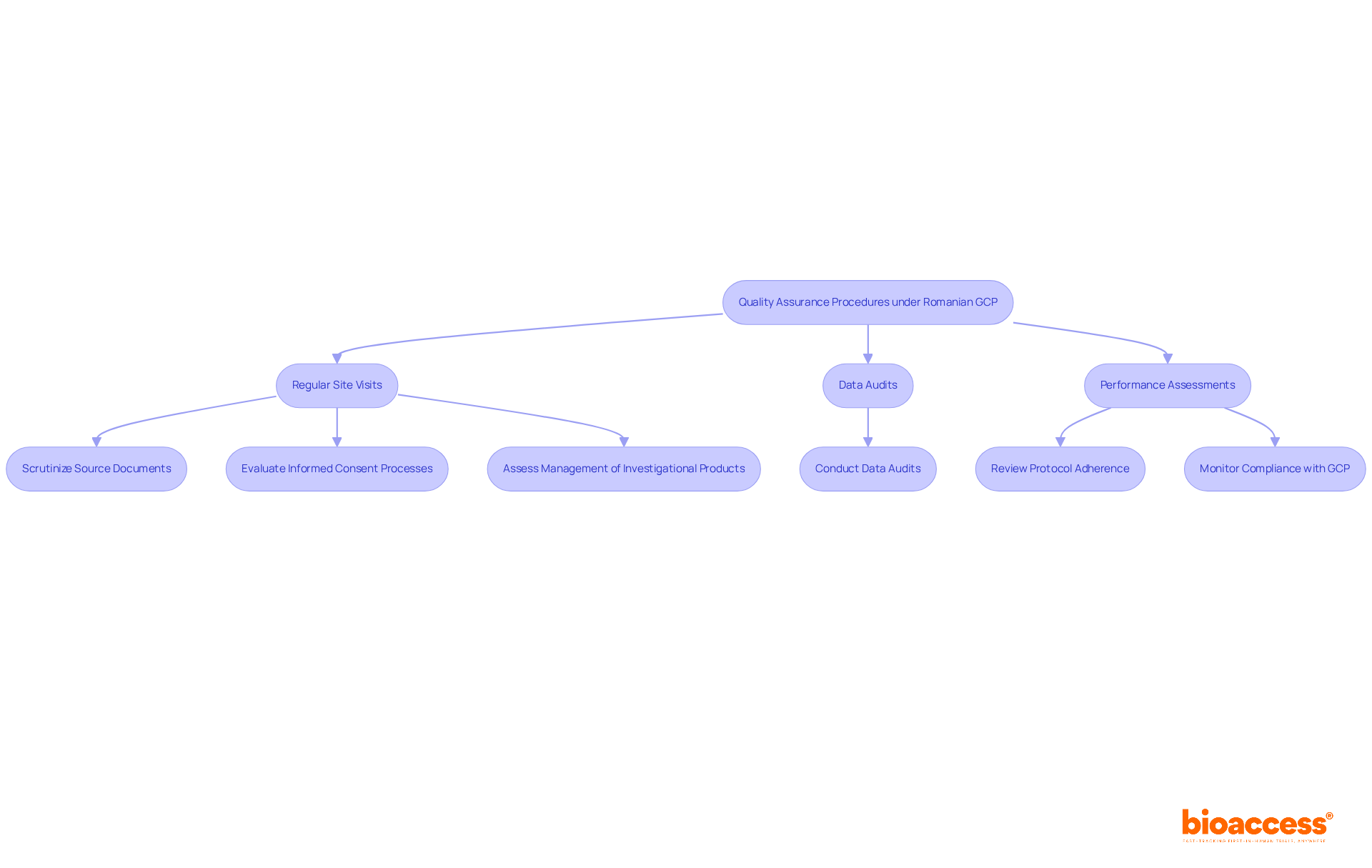
Establishing robust assessment and oversight methods through quality assurance procedures under Romanian GCP is essential for upholding standards in clinical studies. Regular site visits, data audits, and performance assessments are essential components of quality assurance procedures under Romanian GCP, ensuring adherence to protocols and regulatory standards. These proactive measures empower sponsors to identify and address potential issues early on, significantly mitigating risks and enhancing the overall quality assurance procedures under Romanian GCP of the study.
Clinical study monitoring transcends mere regulatory compliance; it stands as a cornerstone of successful research. Industry experts emphasize that quality assurance procedures under Romanian GCP are critical for safeguarding participant safety and ensuring data integrity. For instance, effective monitoring can yield compliance rates exceeding 90% during audits, highlighting the necessity of meticulous record-keeping and strict adherence to Good Clinical Practice (GCP) guidelines.
Moreover, site visits play a pivotal role in the quality assurance procedures under Romanian GCP, allowing monitors to scrutinize source documents, evaluate informed consent processes, and assess the management of investigational products. This hands-on approach not only bolsters adherence but also fosters a culture of continuous improvement within research sites. By establishing clear assessment strategies and maintaining open lines of communication with research sites, sponsors can ensure that their studies adhere to quality assurance procedures under Romanian GCP, thus meeting the highest standards of excellence and ethical practices. Ultimately, this commitment leads to more reliable and impactful research outcomes.
Executing ongoing enhancement efforts is essential for maintaining high standards in the quality assurance procedures under Romanian GCP for research trials. Regular process reviews, stakeholder feedback, and the integration of innovative technologies are key components of this approach. For instance, initiatives in Romanian medical research have demonstrated notable advancements in service delivery and patient outcomes, supported by quality assurance procedures under Romanian GCP, with ongoing improvement processes leading to an 18% rise in overall service performance.
Furthermore, Continuous Quality Improvement (CQI) initiatives have resulted in a significant reduction of medication error reports from 16 to 6, underscoring their impact on patient safety. By fostering a culture of ongoing enhancement, organizations like bioaccess can better adapt to regulatory changes and elevate the standard of their research. As W. Edwards Deming wisely noted, "It is not enough to do your best; you must know what to do and then do your best." This mindset encourages teams to engage in continuous learning and adjustment, ultimately leading to improved research outcomes.
Additionally, the average cost savings after implementing CQI is estimated at $5,430, highlighting the financial benefits of these initiatives. The application of Lean and Six Sigma methodologies has proven effective in streamlining processes and reducing waste, thereby enhancing the efficiency of clinical trials. By prioritizing continuous improvement and implementing quality assurance procedures under Romanian GCP, bioaccess not only meets regulatory standards but also contributes to the advancement of healthcare quality.

The article underscores the pivotal role that quality assurance procedures play in Romanian clinical trials, highlighting the necessity of adhering to Romanian Good Clinical Practice (GCP) guidelines. By delving into various facets of quality assurance - such as ethical approvals, site selection, training programs, and continuous improvement initiatives - the discussion illustrates how these components collectively bolster the integrity and success of clinical research in Romania.
Key points include:
Furthermore, the article emphasizes the importance of meticulous documentation and stakeholder engagement throughout the research process, enhancing both study quality and participant safety.
In conclusion, a steadfast commitment to quality assurance in Romanian clinical trials not only ensures regulatory compliance but also enhances the reliability of research outcomes. As the clinical research landscape evolves, prioritizing these essential procedures becomes crucial for organizations striving to drive innovation in healthcare. Collaborating with experts like bioaccess® can provide invaluable insights and support in navigating these complexities, ultimately leading to more effective and trustworthy clinical studies.
What is bioaccess® and what role does it play in Romanian clinical trials?
bioaccess® is an organization that enhances quality assurance in Romanian clinical trials by ensuring adherence to quality assurance procedures under Romanian GCP. It leverages its extensive experience and regional expertise to safeguard participant safety and maintain data integrity.
What services does bioaccess® provide to streamline clinical trial processes?
bioaccess® offers a comprehensive suite of study management services, including feasibility assessments, site selection, compliance evaluations, setup, import permits, project oversight, and reporting, which help accelerate ethical approvals and reduce overall study timelines.
How does bioaccess® contribute to patient access to therapies?
By streamlining processes and accelerating ethical approvals, bioaccess® enables patients to gain faster access to innovative therapies, reflecting its commitment to regulatory excellence and effective study execution.
What regulatory framework governs clinical research in Romania?
Clinical research in Romania is governed by a robust regulatory framework that mandates compliance with national and EU guidelines, particularly the Clinical Studies Regulation (EU) No 536/2014, which emphasizes quality assurance procedures under Romanian GCP.
What is the typical timeline for obtaining ethical approvals in Romania?
The process for obtaining ethical approvals in Romania typically requires around 60 days, with a median review time of 32 days across various Institutional Review Boards (IRBs).
Why is meticulous documentation important in clinical trials?
Meticulous documentation of all experimental activities is crucial not only for regulatory compliance but also for maintaining the integrity of the research process, fostering trust among stakeholders, and ensuring reliable research outcomes.
How have recent updates to the regulatory environment impacted clinical research in Romania?
Recent updates have streamlined processes, making it easier to conduct medical studies in Romania and significantly increasing the number of patients benefiting from these investigations compared to previous years.
What does the ethical approval process involve?
The ethical approval process requires the submission of a comprehensive protocol to an ethics committee, which evaluates the ethical dimensions of the study, including participant safety and informed consent protocols.
What is the median time for ethics approval in Romania, and how can expedited reviews benefit studies?
The median time for ethics approval in Romania is around 48 days, with some approvals occurring immediately and others taking several months. Expedited ethical reviews can improve recruitment and retention rates, with some studies reporting up to a 30% increase in participant enrollment.
What changes were made to the regulatory approval procedure under the revised legislation (Law 249/2022)?
The revised legislation mandates a maximum of 60 days for new research applications, streamlining the ethical approval process and enhancing the likelihood of successful study outcomes.