

Navigating the complex landscape of gene therapy trials in Albania demands a thorough understanding of the regulatory frameworks that govern them. With the Albanian legal environment evolving - especially with the introduction of Instruction No. 2 in 2025 - researchers encounter both opportunities and challenges in aligning with EU standards.
How can researchers effectively ensure their studies comply with these new regulations while upholding ethical integrity and engaging participants? This article explores the essential rules that will guide researchers through the intricacies of gene therapy trials in Albania, ensuring adherence and success in their clinical endeavors.
Familiarize yourself with the gene therapy trial rules in Albania and the Albanian legal landscape surrounding them, particularly the recent Instruction No. 2, issued on April 30, 2025. This instruction outlines essential health and genetic data processing protocols, replacing the earlier 2020 framework. It emphasizes adherence to EU Clinical Experiment Regulation (CTR) standards, which are crucial for studies conducted under the gene therapy trial rules in Albania.
Understanding the specific requirements for genetically modified organisms (GMO) in relation to gene therapy trial rules in Albania is vital. These regulations play a key role in maintaining safety and efficacy in clinical research. Consulting with legal experts can clarify any ambiguities in the regulatory environment, ensuring your experiments align with current laws.
Moreover, staying informed about ongoing regulatory modifications is essential. For instance, the Albanian Data Protection Commissioner's focus on protection regulations concerning biomedical research information is critical for the success of both current and future studies. By actively engaging with these developments, you can navigate the complexities of the legal landscape effectively.

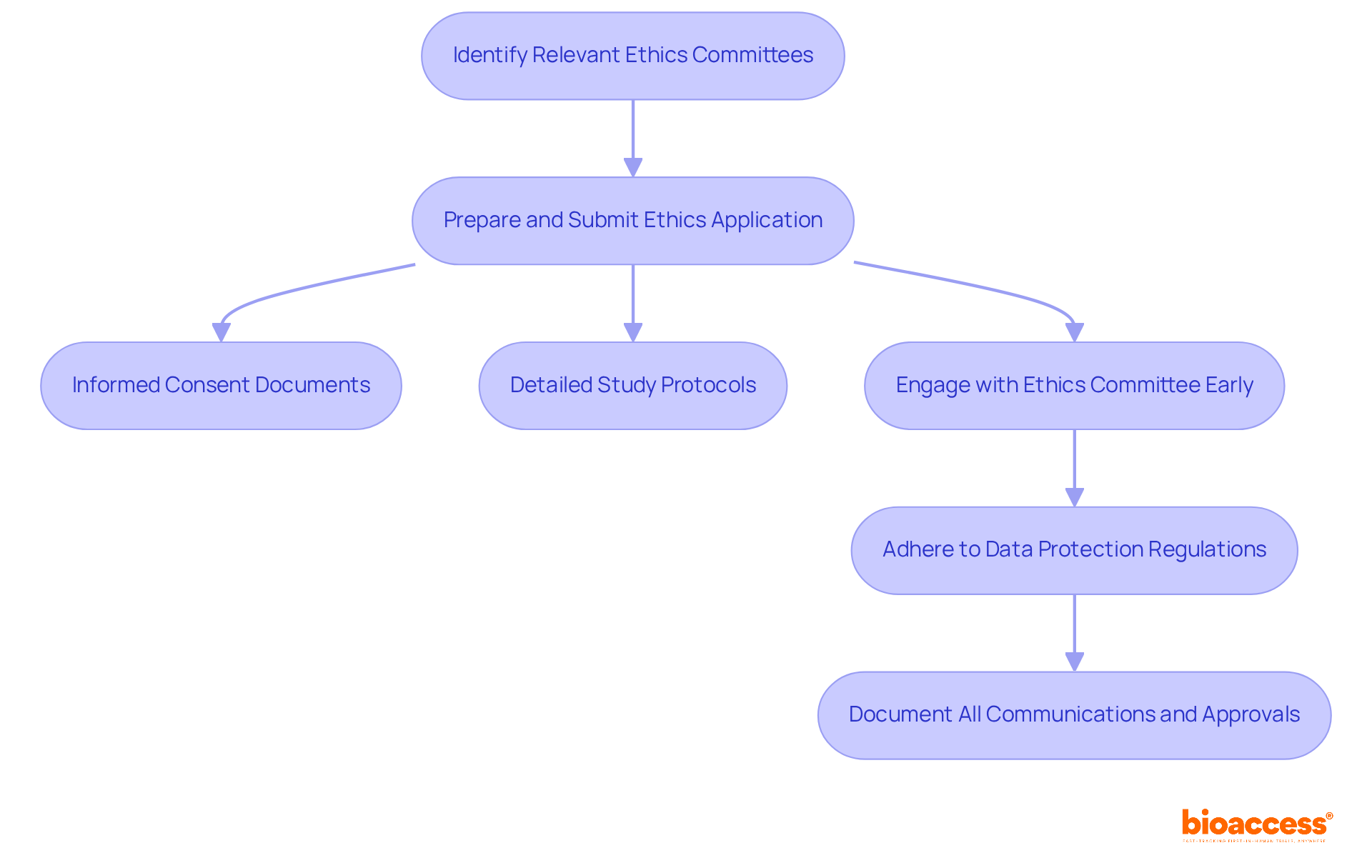
In the realm of clinical research, particularly in the context of gene therapy trial rules in Albania, it is crucial to identify the relevant ethics committees that oversee these initiatives. This step not only ensures compliance but also establishes a foundation of trust and integrity in the research process.
Once the appropriate committees are identified, the next step is to prepare and submit a comprehensive ethics application. This application should include informed consent documents and detailed study protocols, which are essential for safeguarding participant rights and ensuring transparency. Engaging with the ethics committee early in the process is vital; it allows researchers to address any potential concerns proactively, fostering a collaborative environment.
Moreover, handling patient information in accordance with the latest data protection regulations is non-negotiable. This adherence not only protects participants but also enhances the credibility of the research. Documenting all communications and approvals is equally important, as it maintains a clear audit trail, reinforcing accountability throughout the study.
In summary, navigating the ethical landscape of gene therapy trial rules in Albania requires diligence and collaboration. By following these steps, researchers can ensure that their studies are not only compliant but also ethically sound, paving the way for successful outcomes.
Clearly defining inclusion and exclusion criteria is essential for effectively identifying suitable candidates for the study. This foundational step not only streamlines the recruitment process but also enhances the overall quality of the research. To further bolster participation, establishing community outreach initiatives is crucial. These initiatives raise awareness of the study and its potential advantages, fostering a supportive atmosphere for involvement. As noted, such programs can significantly enhance hiring by effectively targeting patient populations.
Utilizing digital platforms and social media is another powerful strategy to engage potential participants. By ensuring that information about the trial reaches a broader audience, we can maximize outreach efforts. Custom-made communication is vital for recruitment, as it clearly conveys the research purpose and safety aspects. Collaborating with local healthcare providers to facilitate referrals leverages their established trust within the community, encouraging participation. This partnership is particularly vital in a landscape where enrolling patients is becoming increasingly challenging.
Consistently tracking hiring progress is imperative. Being ready to modify approaches as needed ensures that enrollment goals are met, keeping the study on track. Given that 80-85% of clinical trials fail to meet enrollment projections, proactive tracking and adjustments are crucial. Notably, through the collaboration between bioaccess™ and Caribbean Health Group, there has been a reported 50% reduction in recruitment time and a 95% retention rate. These impressive statistics highlight the effectiveness of these strategies and underscore the importance of collaboration in clinical research.

Establishing a robust oversight monitoring plan is essential for ensuring compliance in clinical research. This plan should clearly outline key performance indicators (KPIs) and set a regular monitoring frequency to guarantee continuous adherence to established protocols. Systematic audits of trial processes and documentation are crucial, particularly in areas such as informed consent and information integrity, to confirm adherence to these protocols.
Utilizing electronic data capture (EDC) systems enables real-time oversight of adherence, facilitating the prompt identification of discrepancies and enhancing data accuracy. Comprehensive training for personnel on regulatory requirements is vital, as it underscores the importance of ethical standards and the consequences of non-adherence. Furthermore, maintaining meticulous organization of all documentation ensures readiness for inspections by regulatory bodies, thereby minimizing potential compliance risks.

Navigating the complexities of gene therapy trials in Albania demands a thorough understanding of the evolving regulatory landscape and ethical considerations. The introduction of Instruction No. 2 in 2025 presents both challenges and opportunities for researchers striving to meet EU standards. Compliance with these new regulations is not merely a legal obligation; it reflects a commitment to ethical integrity and participant safety.
Key insights from this discussion highlight the necessity of:
Each of these components is vital to the success of gene therapy trials, underscoring the need for diligence and proactive engagement with the regulatory environment.
The importance of adhering to these essential rules cannot be overstated. By prioritizing compliance and ethical considerations, researchers can bolster the credibility of their studies and contribute to the advancement of gene therapy in Albania. Embracing these guidelines not only cultivates a trustworthy research environment but also paves the way for innovative treatments that can enhance patient outcomes.
What is the significance of Instruction No. 2 issued on April 30, 2025, in Albania regarding gene therapy trials?
Instruction No. 2 outlines essential health and genetic data processing protocols for gene therapy trials in Albania, replacing the earlier 2020 framework and emphasizing adherence to EU Clinical Experiment Regulation (CTR) standards.
Why is it important to understand the regulations for genetically modified organisms (GMO) in relation to gene therapy trials in Albania?
Understanding GMO regulations is vital for maintaining safety and efficacy in clinical research related to gene therapy trials in Albania.
How can consulting with legal experts benefit those involved in gene therapy trials?
Consulting with legal experts can clarify ambiguities in the regulatory environment, ensuring that experiments align with current laws and regulations.
Why is it important to stay informed about ongoing regulatory modifications in Albania's gene therapy landscape?
Staying informed is essential for navigating the complexities of the legal landscape and ensuring the success of both current and future studies, particularly in light of regulations set by the Albanian Data Protection Commissioner.
What role does the Albanian Data Protection Commissioner play in gene therapy trials?
The Albanian Data Protection Commissioner focuses on protection regulations concerning biomedical research information, which is critical for the success of gene therapy studies.