

Navigating the complex landscape of local clinical site approval for early phase studies can feel daunting. With a myriad of regulatory requirements and the necessity for meticulous documentation, achieving compliance is not merely a procedural hurdle; it’s a crucial step for successful trial execution. This article outlines five essential steps that equip researchers with the knowledge and strategies to effectively secure local approvals. By doing so, it ensures that their studies are not only compliant but also positioned for success.
How can one transform the intricate process of regulatory adherence into a streamlined pathway that enhances both efficiency and outcomes in clinical research?
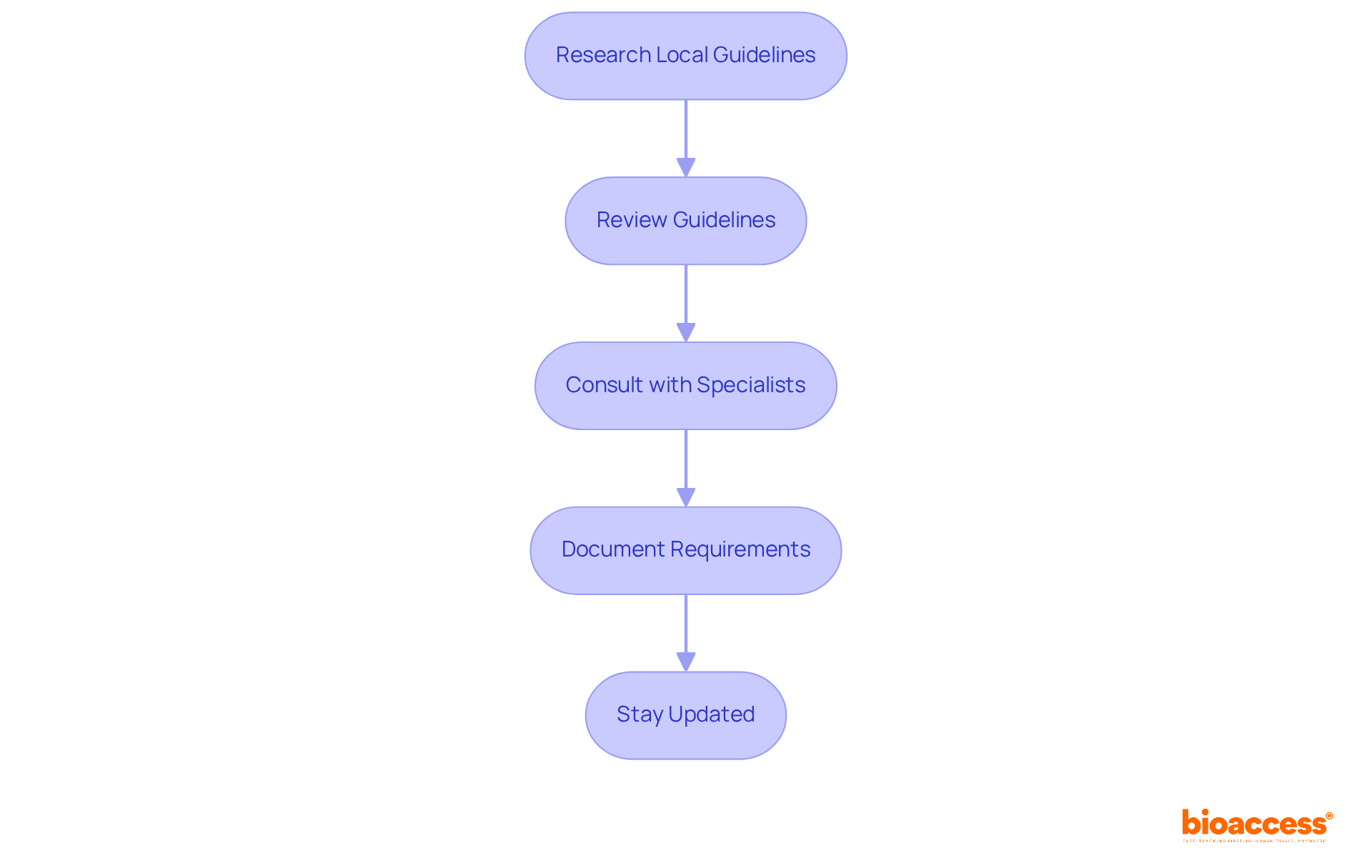
Research Local Guidelines: Begin by identifying the governing entities that oversee clinical studies in your target area. For instance, in Colombia, INVIMA is responsible for medical device oversight and is recognized as a Level 4 health authority by PAHO/WHO. Understanding these local regulations is essential for obtaining local clinical site approval for early phase studies and ensuring compliance during the execution of successful trials.
Review Guidelines: Familiarize yourself with the guidelines set forth by these agencies, including Good Clinical Practice (GCP) standards and any local laws that may influence your study. This understanding is vital for guaranteeing adherence to the standards established by governing bodies, particularly regarding local clinical site approval for early phase studies.
Consult with Specialists: Engage with compliance consultants or legal professionals, such as Ana Criado, Director of Compliance Affairs and CEO of Mahu Pharma, or Katherine Ruiz, an expert in Compliance Affairs for Medical Devices and In Vitro Diagnostics in Colombia. Their expertise can guide you through the complexities of regulatory landscapes, ensuring compliance with local standards.
Document Requirements: Create a comprehensive checklist of all necessary documents and approvals required for your clinical study application. This includes ethics committee approvals and informed consent forms. Thorough documentation is crucial for the success of your experiment and is essential for securing local clinical site approval for early phase studies, aligning with bioaccess's service capabilities in project management and compliance reviews.
Stay Updated: Regulatory requirements are subject to change, making it imperative to stay informed about any updates or amendments that could impact your study. Regularly reviewing the latest advancements in clinical study regulations will enhance your ability to adapt and comply efficiently.
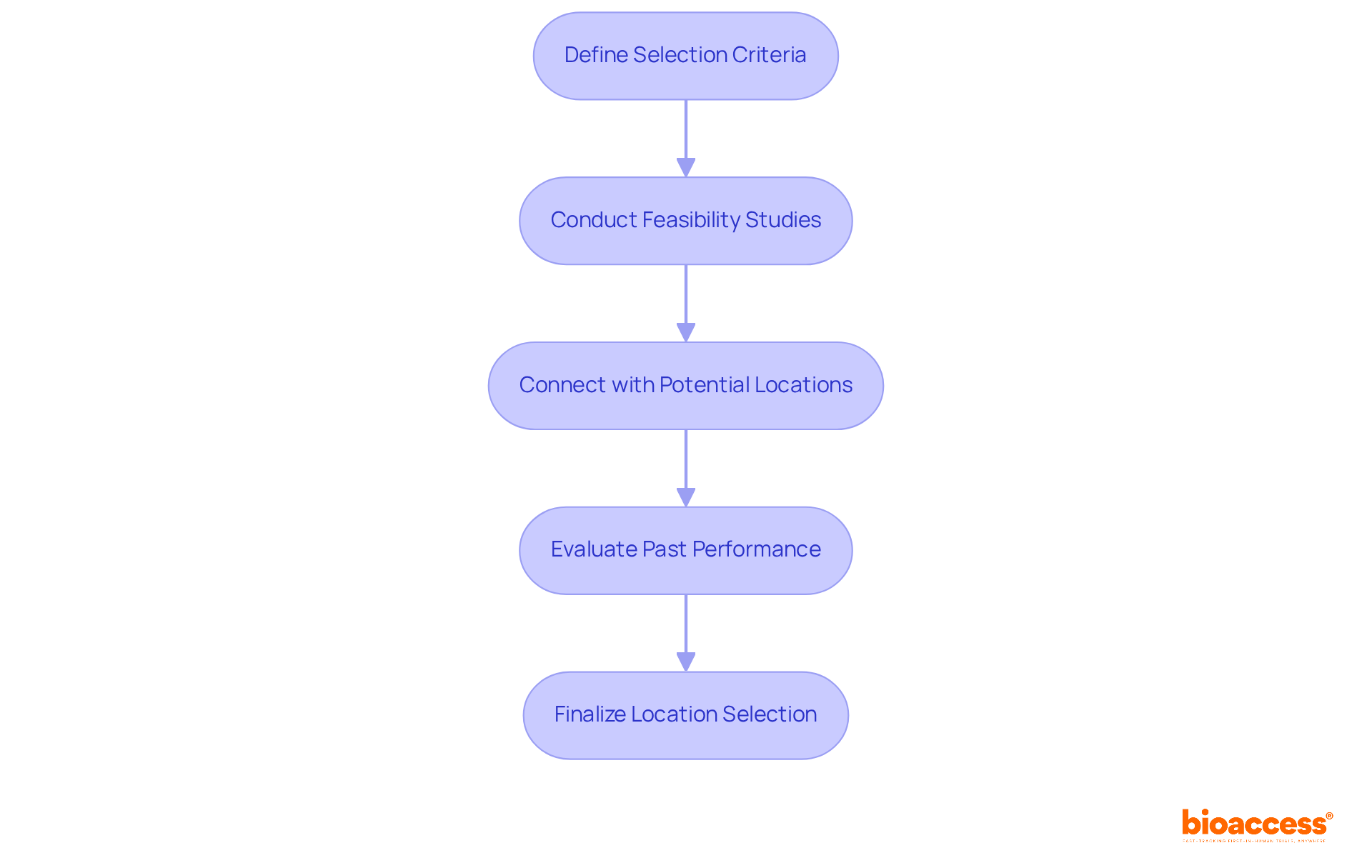
Define Selection Criteria: Establish comprehensive criteria grounded in the study protocol, focusing on patient demographics, location infrastructure, and historical performance metrics. This approach ensures alignment with the specific requirements of the experiment, significantly enhancing the likelihood of successful outcomes.
Conduct Feasibility Studies: Implement thorough feasibility studies to evaluate potential locations. Assess their capability to meet study requirements, including patient access, staff expertise, operational readiness, and the necessary local clinical site approval for early phase studies. Effective feasibility assessments can substantially mitigate risks and bolster the chances of success by addressing challenges such as participant enrollment and budget constraints.
Connect with Potential Locations: Initiate communication with recognized locations to gauge their interest and readiness to participate in the study. This engagement may involve initial meetings or site visits, fostering connections that are crucial for effective recruitment and overall success in testing.
Evaluate Past Performance: Scrutinize the historical performance of potential locations in previous experiments. Ensure they possess a proven track record of effective patient recruitment and data reliability, as local clinical site approval for early phase studies is essential since variability in location performance can significantly impact study results.
Finalize Location Selection: Select locations that closely align with your defined criteria and have demonstrated the capability to conduct trials efficiently. Confirm that all agreements are finalized and in place before proceeding, as meticulous site selection can expedite recruitment timelines and substantially reduce costs.
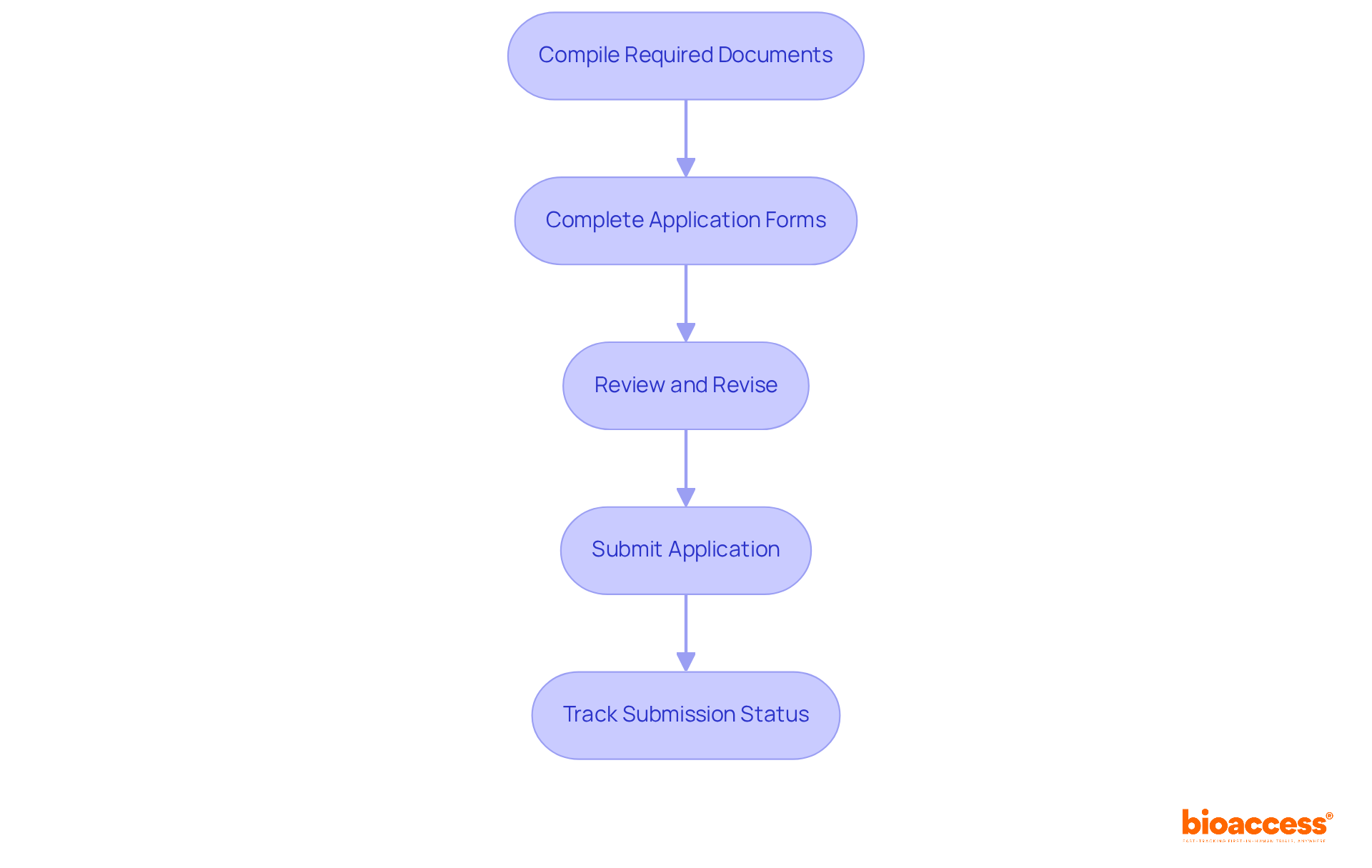
Compile Required Documents: Start by gathering essential documents, including the study protocol, investigator brochures, informed consent forms, and any additional compliance documents required by local authorities. Ensuring completeness at this stage is crucial; missing documents can lead to significant delays in approval.
Complete Application Forms: Accurately fill out the clinical trial application forms, ensuring that all information is thorough and aligns with the study protocol. Regulatory experts emphasize that precision in this step is vital, as inaccuracies can result in rejection or requests for clarification.
Review and Revise: Conduct a thorough examination of the application with team members or compliance consultants. This collaborative approach helps identify errors or omissions, significantly reducing the risk of complications during the approval process.
Submit Application: Submit the completed application to the appropriate governing authority, adhering strictly to their specific submission guidelines and formats. Compliance with these requirements is essential for a smooth review process.
Track Submission Status: After submission, actively monitor the status of your application. Be prepared to respond quickly to any questions or requests for additional information from the governing body, as timely communication can expedite the approval process.
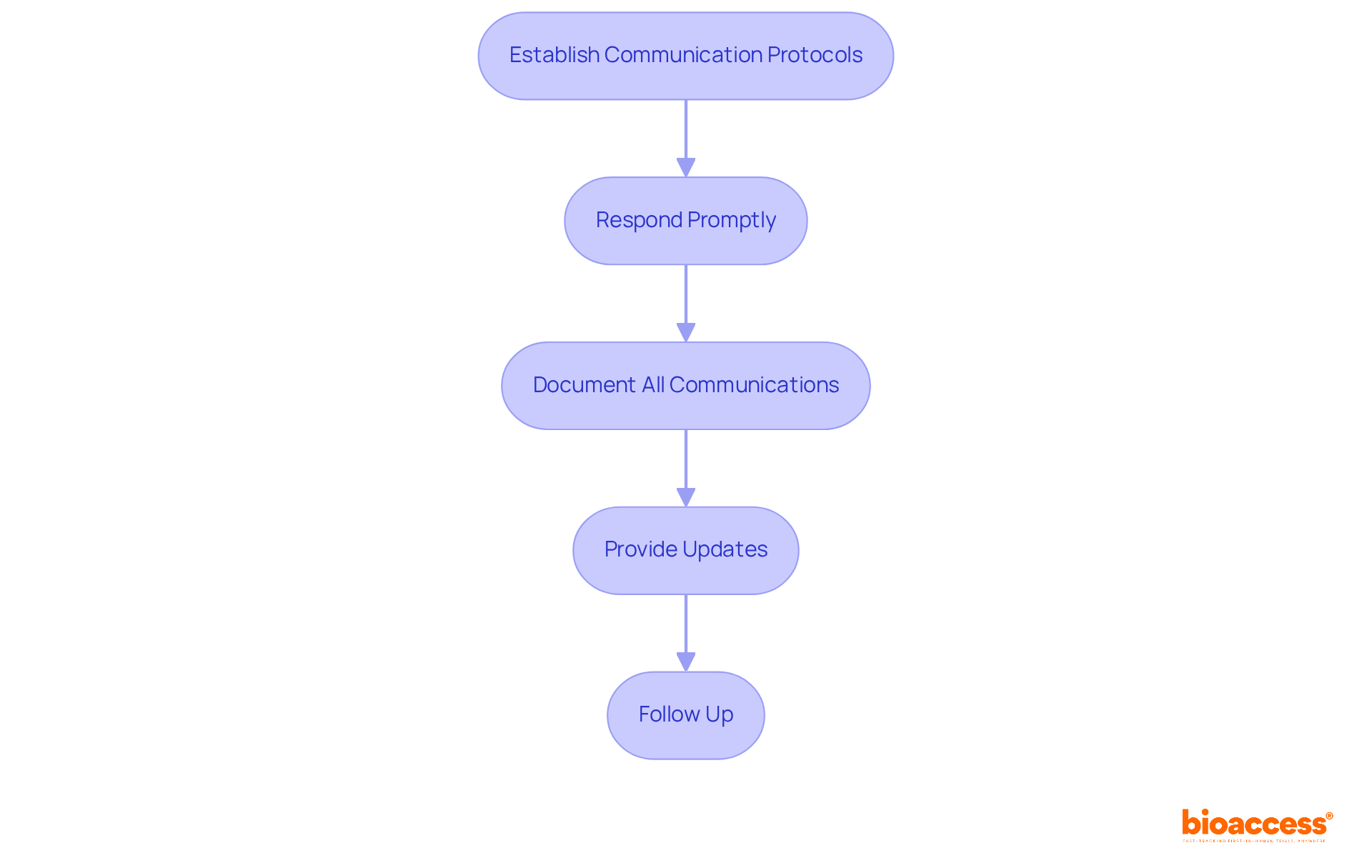
Establish Communication Protocols: It's crucial to set up clear communication protocols for engaging with governing bodies. Identify a point of contact and outline how information will be shared. Understanding the role of the regulatory authority in Colombia is vital, as it oversees the promotion and production of health products, including medical devices.
Respond Promptly: Be ready to respond swiftly to any inquiries or requests for additional information from the regulatory body. This proactive approach helps avoid delays in the approval process. Ensure you secure local clinical site approval for early phase studies from your site's institutional review board (IRB) or ethics committee (EC) and adhere to all regulatory requirements.
Document All Communications: Maintain detailed records of all interactions with regulatory agencies, including emails, phone calls, and meeting notes. This practice ensures transparency and accountability, providing a clear record of your communications with regulatory bodies and other relevant authorities.
Provide Updates: Regularly update the relevant authority on any significant changes to the study protocol or timelines. Keeping them informed of developments is essential, especially since the regulatory agency monitors medical devices and oversees pre- and post-market programs.
Follow Up: If you haven’t received feedback within the expected timeframe, reach out to the relevant authority to check on the status of your application. Given that INVIMA is classified as a Level 4 health authority by PAHO/WHO, timely communication can significantly facilitate the approval process.
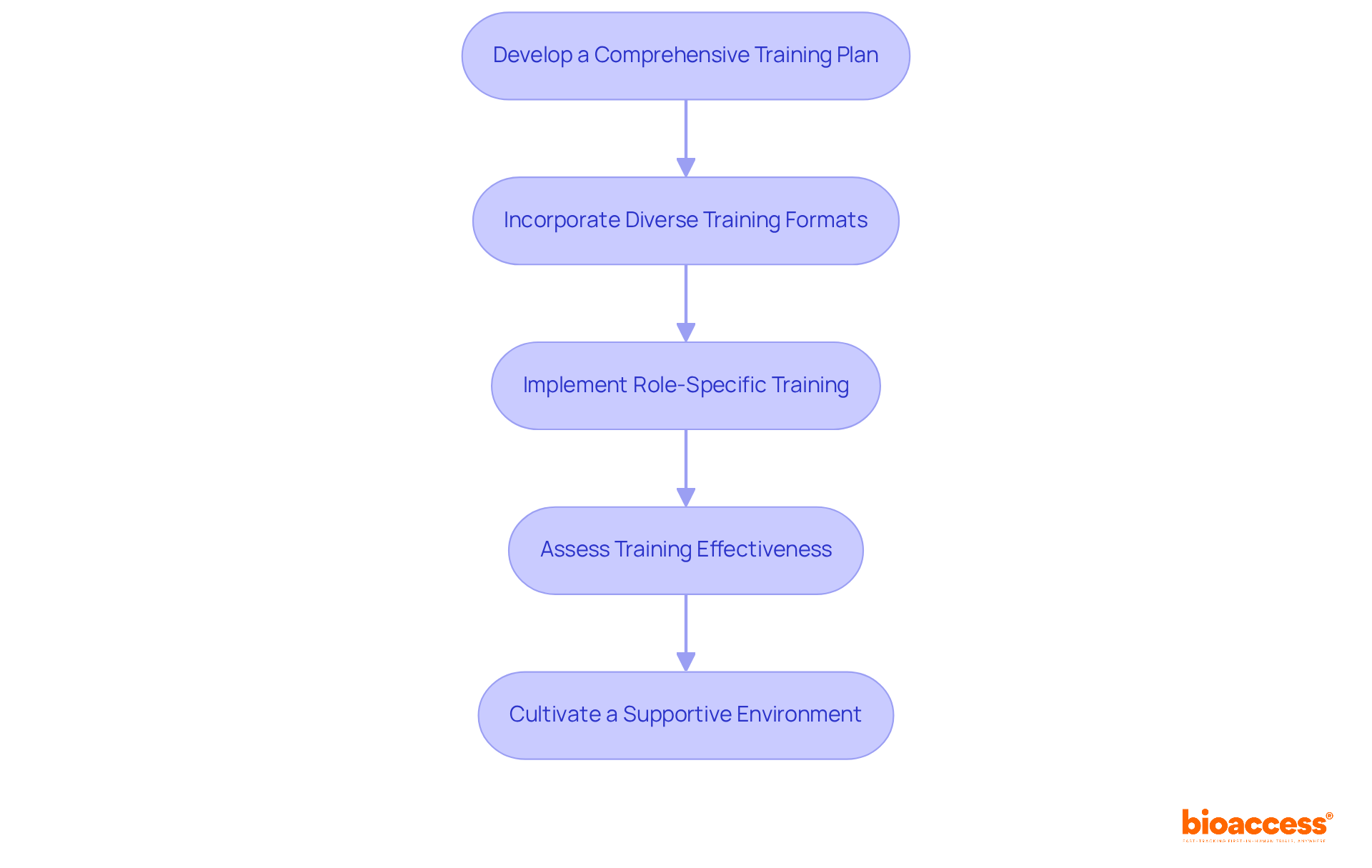
Develop a Comprehensive Training Plan: It's crucial to outline essential training topics, such as protocol specifics, Good Clinical Practice (GCP) guidelines, and data management procedures. This ensures that all staff are well-prepared to meet the demands of clinical research.
Incorporate Diverse Training Formats: To cater to various learning preferences, utilize a mix of in-person sessions, online modules, and hands-on workshops. This approach not only enhances engagement but also improves retention of critical information.
Implement Role-Specific Training: Tailoring training to the specific responsibilities of site staff is vital. Each team member must understand their unique contributions to the trial's success, fostering a sense of ownership and accountability.
Assess Training Effectiveness: Establishing feedback mechanisms and assessments is essential to gauge the training's impact. This allows for timely adjustments, ensuring that the training continuously improves outcomes and meets the evolving needs of the team.
Cultivate a Supportive Environment: Promoting open communication and collaboration among staff is key. By fostering a culture where team members feel comfortable seeking guidance and sharing insights, you ultimately enhance the overall training experience, leading to better performance in clinical trials.
Achieving local clinical site approval for early phase studies is a complex endeavor that demands meticulous attention to regulatory requirements, site selection, application preparation, communication, and staff training. Understanding and effectively navigating these steps can significantly enhance the likelihood of successful trial execution and compliance with local regulations.
Key arguments throughout this article underscore the necessity of thorough research into local regulatory requirements, the careful selection of clinical trial sites based on established criteria, and the meticulous preparation of application documents. Furthermore, maintaining proactive communication with regulatory bodies and ensuring comprehensive training for site staff are critical components that contribute to the overall success of clinical trials.
In light of these insights, it is evident that a methodical approach to securing local clinical site approval not only streamlines the approval process but also lays the groundwork for reliable and effective clinical research. Stakeholders must prioritize these steps and stay informed about evolving regulations to foster a culture of compliance and efficiency in clinical trials. By doing so, the integrity and success of early phase studies can be significantly bolstered, ultimately advancing the field of medical research.
What are the main steps to understand local regulatory requirements for clinical studies?
The main steps include researching local guidelines, reviewing relevant agency guidelines, consulting with specialists, documenting requirements, and staying updated on regulatory changes.
Why is it important to understand local regulations for clinical studies?
Understanding local regulations is essential for obtaining local clinical site approval for early phase studies and ensuring compliance during the execution of successful trials.
Who are some specialists to consult for guidance on compliance with local regulations?
Specialists include Ana Criado, Director of Compliance Affairs and CEO of Mahu Pharma, and Katherine Ruiz, an expert in Compliance Affairs for Medical Devices and In Vitro Diagnostics in Colombia.
What should be included in the documentation for a clinical study application?
A comprehensive checklist should include ethics committee approvals, informed consent forms, and any other necessary documents required for local clinical site approval.
How can one stay informed about changes in regulatory requirements?
Regularly reviewing the latest advancements in clinical study regulations is vital to adapt and comply efficiently with any updates or amendments.
What criteria should be established when selecting clinical trial sites?
Selection criteria should be based on the study protocol, focusing on patient demographics, location infrastructure, and historical performance metrics.
What is the purpose of conducting feasibility studies for potential trial locations?
Feasibility studies evaluate locations' capabilities to meet study requirements, including patient access and staff expertise, thereby mitigating risks and enhancing success chances.
How should potential clinical trial locations be engaged?
Communication should be initiated with recognized locations to assess their interest and readiness to participate, which may include meetings or site visits.
Why is it important to evaluate the past performance of potential trial locations?
Evaluating historical performance is crucial to ensure effective patient recruitment and data reliability, as variability in location performance can significantly impact study results.
What should be done after selecting clinical trial locations?
Confirm that all agreements are finalized and in place, as meticulous site selection can expedite recruitment timelines and reduce costs.