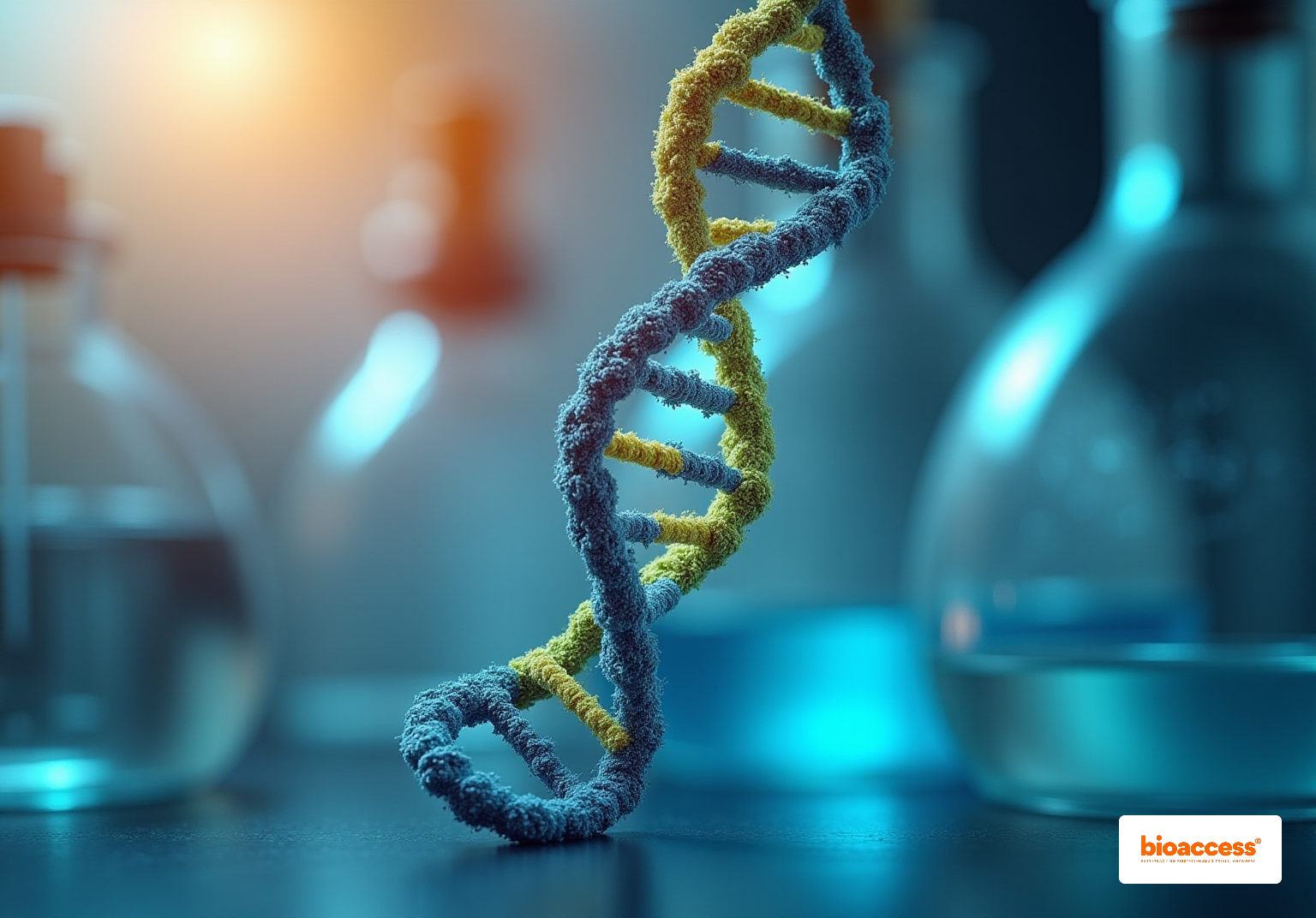

The remarkable interplay of life is driven by two essential molecules: ribonucleic acid (RNA) and deoxyribonucleic acid (DNA). These nucleic acids serve not just as the foundation of genetic information; they are the architects of biological identity, each possessing unique structures and functions that work in harmony.
As we delve into the roles of RNA and DNA, a pivotal question emerges: how do their structural differences translate into distinct capabilities within the cell? This inquiry uncovers not only the fundamental contrasts between these molecules but also highlights their crucial collaboration in sustaining life itself.
Ribonucleic acid and deoxyribonucleic acid are two fundamental nucleic acids that play critical roles in the storage and expression of genetic information.
DNA, a double-stranded molecule, serves as the blueprint for all living organisms, containing the essential instructions for growth, development, and reproduction.
Composed of nucleotides, DNA includes a deoxyribose sugar, a phosphate group, and nitrogenous bases:
In contrast, RNA is typically single-stranded and is involved in various biological roles, primarily in protein synthesis.
RNA consists of ribonucleotides, which contain a ribose sugar, a phosphate group, and nitrogenous bases:
The structural differences between these two nucleic acids are crucial to their unique roles in cellular processes.

The structural characteristics of RNA and DNA are fundamentally distinct, directly influencing their respective roles in biological processes. DNA is characterized by its double-helix structure, formed by two strands of nucleotides that coil around each other. This structure is stabilized by hydrogen bonds between complementary bases:
Notably, the sugar in DNA is deoxyribose, which lacks one oxygen atom compared to ribose, the sugar found in RNA.
In contrast, RNA is typically single-stranded and can fold into various shapes, allowing it to perform multiple functions within the cell. The presence of uracil in RNA, instead of thymine, marks another key difference between these nucleic acids. These structural variations contribute significantly to DNA's stability and its role in the long-term storage of hereditary information. Meanwhile, RNA's flexibility enables it to participate actively in protein synthesis and gene regulation, showcasing its essential functions in cellular processes.

The functional roles of RNA and DNA are distinct yet complementary, playing critical parts in the realm of genetics. Ribonucleic acid and deoxyribonucleic acid primarily serve as the repository of hereditary information, ensuring the stability and integrity of the genome across generations. It is tasked with the long-term storage of hereditary instructions that dictate the development and functioning of all living organisms. In contrast, RNA is pivotal in translating these hereditary instructions into functional proteins.

In summary, the differences and similarities between ribonucleic acid and deoxyribonucleic acid showcase their critical roles in biology. Both are nucleic acids composed of nucleotides, yet they differ significantly in structure, purpose, and stability.
There are three primary types of RNA:
Each playing an essential role in translating hereditary information into functional proteins. Despite their differences, both ribonucleic acid and deoxyribonucleic acid are essential for the flow of genetic information within cells, collaborating to ensure proper cellular function and organismal development. The distinct locations of DNA, primarily in the nucleus and mitochondria, alongside various RNA types in the cytoplasm and ribosomes, facilitate their specific cellular functions, underscoring their collaborative significance in biological processes.

Ribonucleic acid (RNA) and deoxyribonucleic acid (DNA) are two vital nucleic acids that play distinct yet complementary roles in the biological realm. Their unique structures and functions highlight the complexity of genetic information storage and expression, underscoring the significance of both molecules in sustaining life.
DNA, characterized by its double-stranded helical structure, is engineered for long-term genetic stability, utilizing deoxyribose sugar and thymine. Conversely, RNA, typically single-stranded, exhibits greater versatility due to its ribose sugar and the presence of uracil. This flexibility enables RNA to participate in various essential processes, such as protein synthesis and gene regulation, while DNA remains the steadfast blueprint for all living organisms.
Grasping the differences and similarities between RNA and DNA is crucial for understanding the intricate workings of cellular processes. As advancements in genetics continue to unfold, recognizing the roles of these nucleic acids will be fundamental in exploring new frontiers in biotechnology and medicine. Embracing this knowledge not only enriches our comprehension of biological systems but also empowers future innovations in genetic research and applications.
What are ribonucleic acid (RNA) and deoxyribonucleic acid (DNA)?
RNA and DNA are two fundamental nucleic acids that play critical roles in the storage and expression of genetic information.
What is the structure of DNA?
DNA is a double-stranded molecule that serves as the blueprint for all living organisms, containing essential instructions for growth, development, and reproduction. It is composed of nucleotides that include a deoxyribose sugar, a phosphate group, and nitrogenous bases: adenine, thymine, cytosine, and guanine.
How does RNA differ from DNA?
RNA is typically single-stranded and is primarily involved in protein synthesis. It consists of ribonucleotides, which contain a ribose sugar, a phosphate group, and nitrogenous bases: adenine, uracil, cytosine, and guanine.
Why are the structural differences between RNA and DNA important?
The structural differences between RNA and DNA are crucial to their unique roles in cellular processes, influencing how they function in genetic information storage and expression.