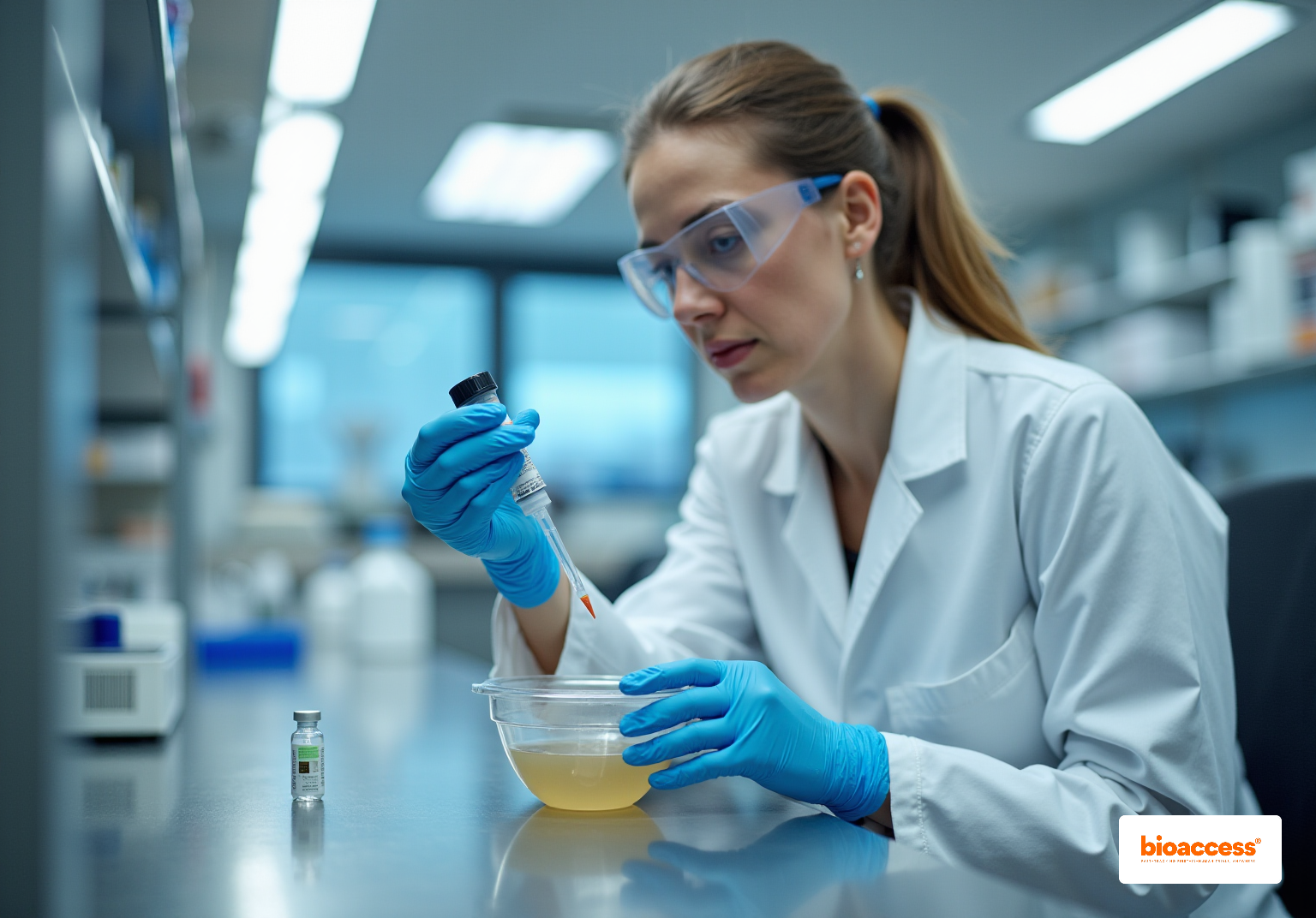

Understanding the complexities of microbiological testing is crucial for manufacturers in the pharmaceutical and cosmetic industries, especially when it comes to ensuring product safety. USP 62 testing is vital in this process, as it protects consumer health by identifying harmful microorganisms in non-sterile products. However, mastering USP 62 testing presents challenges, from sample preparation to accurate result interpretation. What steps can manufacturers take to navigate this intricate landscape, ensuring compliance while maintaining product integrity?
The testing for USP 62 serves as a vital microbiological examination aimed at determining the presence or absence of specific microorganisms in non-sterile products. This testing is essential for ensuring that products such as pharmaceuticals, cosmetics, and personal care items remain free from harmful pathogens that could jeopardize consumer safety. The test specifically targets organisms like Escherichia coli, Salmonella species, and Staphylococcus aureus, among others.
Understanding the significance of USP 62 is crucial for manufacturers during evaluation. It not only aids in maintaining compliance with regulatory standards but also plays a pivotal role in safeguarding public health by preventing contaminated products from reaching the market. By prioritizing this testing, companies can demonstrate their commitment to quality and consumer safety.

To prepare samples for USP 62 testing, adhere to the following essential steps:
Select the Sample: Choose a representative sample of the product, ensuring it meets the minimum weight or volume requirements, typically 10 grams or 10 mL. This selection is crucial for accurate testing results according to USP 62.
Dilution: Prepare a dilution of the sample using a suitable diluent, such as Soybean-Casein Digest Broth, to create a uniform suspension. This step is vital for effectively recovering microorganisms during testing according to USP 62.
Neutralization: If the product contains antimicrobial agents, following USP 62 to neutralize these substances is essential to prevent inhibition of microbial growth during the test.
Mixing: Thoroughly mix the sample and diluent to ensure homogeneity. This can be achieved using a vortex mixer or by manual shaking, ensuring an even distribution of the sample.
Incubation: Incubate the prepared sample at the specified temperature for the required duration. This allows for adequate microbial growth before proceeding to the evaluation phase.

To effectively execute USP 62 testing procedures, follow these essential steps:
It's important to note that the typical turnaround time for USP 62 is 2-3 weeks. While the test is effective, it has limitations, such as the potential for false negatives or positives due to testing errors or sample handling issues. Understanding these factors is crucial for ensuring the safety and efficacy of non-sterile products in clinical research.

To effectively interpret results from USP 62 testing, it’s crucial to follow these guidelines:
Analyze Growth: Carefully examine the growth observed in the culture media. A favorable outcome signifies the presence of specific microbes, while an unfavorable outcome indicates their absence. If microbial growth is identified, consider extending the incubation period by another two days to ensure precise outcomes; this extension is essential for verifying the presence of microbes.
Compare the findings against the acceptance criteria outlined in USP 62. For instance, if the test specifies that no growth should occur for certain microorganisms, any observed growth would indicate a failure of the test, necessitating further investigation.
Document Findings: Meticulously record the results, including any deviations from expected outcomes. This documentation is crucial for regulatory compliance and serves as a reference for future evaluations. The guidelines for USP 62 evaluation span twelve published pages in the USP manual, underscoring the importance of thorough documentation.
Take Action: If the findings suggest contamination, implement suitable corrective measures. This may involve investigating the source of contamination, reviewing manufacturing processes, and instituting measures to prevent recurrence. For example, method suitability evaluations are essential to guarantee that examination procedures accurately identify microorganisms, thus avoiding false negatives that could result in undetected contamination.
Report Results: Compile a comprehensive report summarizing the testing process, results, and any actions taken. This report should be shared with relevant stakeholders to ensure transparency and compliance, reinforcing the commitment to quality and safety in product development.

Mastering USP 62 testing is crucial for ensuring the microbiological safety of non-sterile products, including pharmaceuticals and cosmetics. This vital process not only protects consumer health but also aids manufacturers in meeting regulatory standards, underscoring their commitment to quality. By grasping the complexities of USP 62 testing, companies can effectively reduce risks linked to microbial contamination, ultimately resulting in safer products available in the market.
The article outlines key steps for successful USP 62 testing, such as:
Each stage is essential in identifying harmful microorganisms, documenting findings, and implementing necessary corrective actions when contamination is detected. The significance of thorough documentation and adherence to guidelines cannot be overstated, as these practices guarantee reliable outcomes and uphold regulatory compliance.
In a landscape where consumer safety is paramount, the importance of USP 62 testing is undeniable. By prioritizing this testing and adopting best practices, organizations can bolster their quality control measures and safeguard public health. Embracing a proactive approach to USP 62 testing not only meets regulatory requirements but also fosters trust with consumers, ultimately contributing to the success of clinical research and product development.
What is USP 62 testing?
USP 62 testing is a microbiological examination that determines the presence or absence of specific microorganisms in non-sterile products.
Why is USP 62 testing important?
It is important because it ensures that products like pharmaceuticals, cosmetics, and personal care items are free from harmful pathogens that could jeopardize consumer safety.
Which microorganisms are specifically targeted by USP 62 testing?
USP 62 testing specifically targets microorganisms such as Escherichia coli, Salmonella species, and Staphylococcus aureus, among others.
How does USP 62 testing benefit manufacturers?
It helps manufacturers maintain compliance with regulatory standards and plays a crucial role in safeguarding public health by preventing contaminated products from reaching the market.
What does prioritizing USP 62 testing demonstrate about a company?
Prioritizing USP 62 testing demonstrates a company's commitment to quality and consumer safety.