
Achieve GMP Inspection Readiness for Biopharma in Albania

Introducción

In the competitive landscape of biopharmaceuticals, achieving compliance with Good Manufacturing Practices (GMP) is not merely a regulatory requirement; it is a crucial pathway to ensuring product safety and quality. For organizations in Albania, grasping the complex web of GMP regulations is essential for effectively navigating both local and EU standards.

However, the journey toward GMP inspection readiness is fraught with challenges - ranging from inadequate documentation to insufficient staff training.

How can organizations proactively prepare to meet these rigorous standards and avoid common pitfalls that could jeopardize their compliance? This question is vital for ensuring that they not only meet regulatory expectations but also uphold the integrity of their products.

Understand GMP Regulations in Albania

For organizations aiming to meet both local and EU standards, gmp inspection readiness for biopharma in albania is crucial. Understanding the regulations governing Good Manufacturing Practices, overseen by the Albanian Agency for Medicinal Products and Medical Devices (AMPMD), is essential. These regulations align closely with EU standards, ensuring a high level of compliance. Key focus areas include:

  • Quality Management Systems (QMS): Develop a robust QMS that adheres to GMP guidelines. This should encompass comprehensive documentation, effective training programs, and stringent quality control processes. The expense of GMP certification in Albania varies based on product category, organization scale, and complexity of procedures, making it vital to customize your QMS accordingly.
  • Facility Requirements: Ensure that manufacturing facilities are designed and operated according to specific standards that guarantee product safety and quality. For instance, medical devices and pharmaceuticals require GMP certification to access certain markets.
  • Personnel Training: All staff engaged in production must undergo comprehensive training in GMP principles and practices to uphold standards and operational excellence. Regular training sessions can help mitigate common GMP violations observed in foreign facilities.
  • Documentation: Keep detailed records of all procedures, including batch production records, quality control tests, and any deviations from established protocols. This documentation is essential for demonstrating adherence during audits, which may occur every six months for intricate manufacturing activities.

By familiarizing yourself with these regulations and applying best practices, your organization can efficiently achieve gmp inspection readiness for biopharma in albania and ensure compliance with both Albanian and EU standards. This proactive approach not only enhances product quality and safety but also positions your organization favorably in the competitive biopharma landscape.
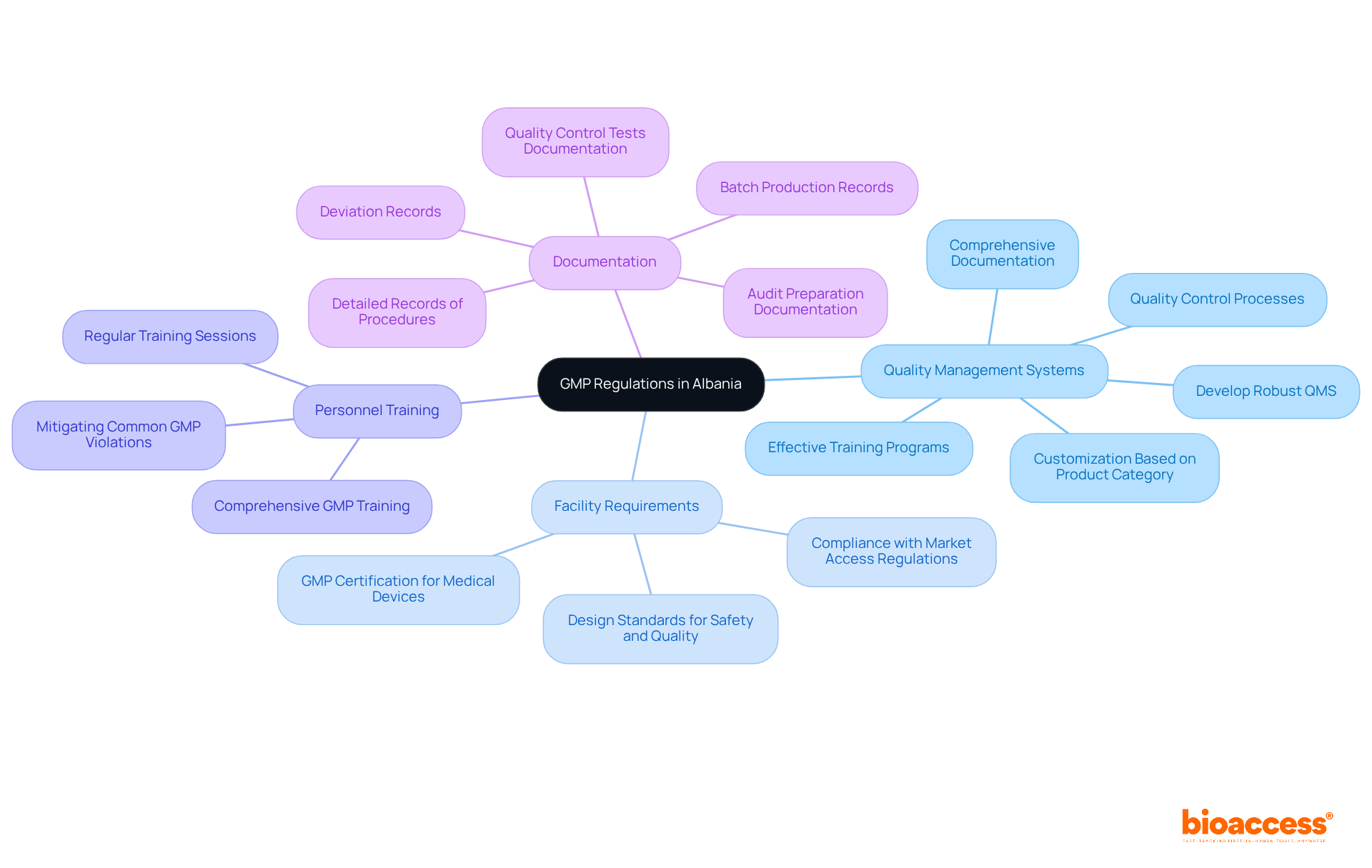
Start at the center with the main topic of GMP regulations, then follow the branches to explore each key area and its specific requirements. Each color represents a different focus area, making it easy to distinguish between them.

Prepare Essential Documentation for GMP Compliance

Documentation is the cornerstone of GMP compliance, which is crucial for achieving GMP inspection readiness for biopharma in Albania. To effectively prepare, organizations must maintain the following key documents:

  • Standard Operating Procedures (SOPs): Comprehensive SOPs should be developed for all operational processes, including manufacturing, quality control, and equipment maintenance. These documents must reflect current practices and undergo regular reviews to meet evolving regulatory standards. As emphasized by Technical Safety Services, 'GMP documentation plays a critical role in the quality, accuracy, safety, and ultimately the integrity of a procedure or product.'
  • Batch Records: Meticulous records for each batch produced are essential, detailing raw material specifications, production processes, and quality control results. This documentation is vital for traceability and accountability in manufacturing.
  • Training Records: All training sessions conducted for staff must be documented, including attendance and content covered. This ensures personnel are adequately prepared to adhere to GMP standards and procedures.
  • Deviation Reports: Thorough records of any deviations from established procedures should be kept, including investigations conducted and corrective actions taken. This transparency is crucial for demonstrating adherence and ongoing enhancement.
  • Audit Reports: Findings from internal audits, along with corrective actions implemented to address identified issues, must be compiled. Regular audits help uphold high standards and prepare for external evaluations.

By systematically organizing these documents, organizations can enhance the review process and demonstrate their GMP inspection readiness for biopharma in Albania, thereby upholding regulations and quality in their operations. Furthermore, it is essential to recognize that GMP requirements encompass nine key areas: quality management, personnel, facilities, production control, documentation, validation, QC testing, packaging, and distribution. Regular review and validation of documentation are necessary to ensure ongoing compliance and operational excellence.
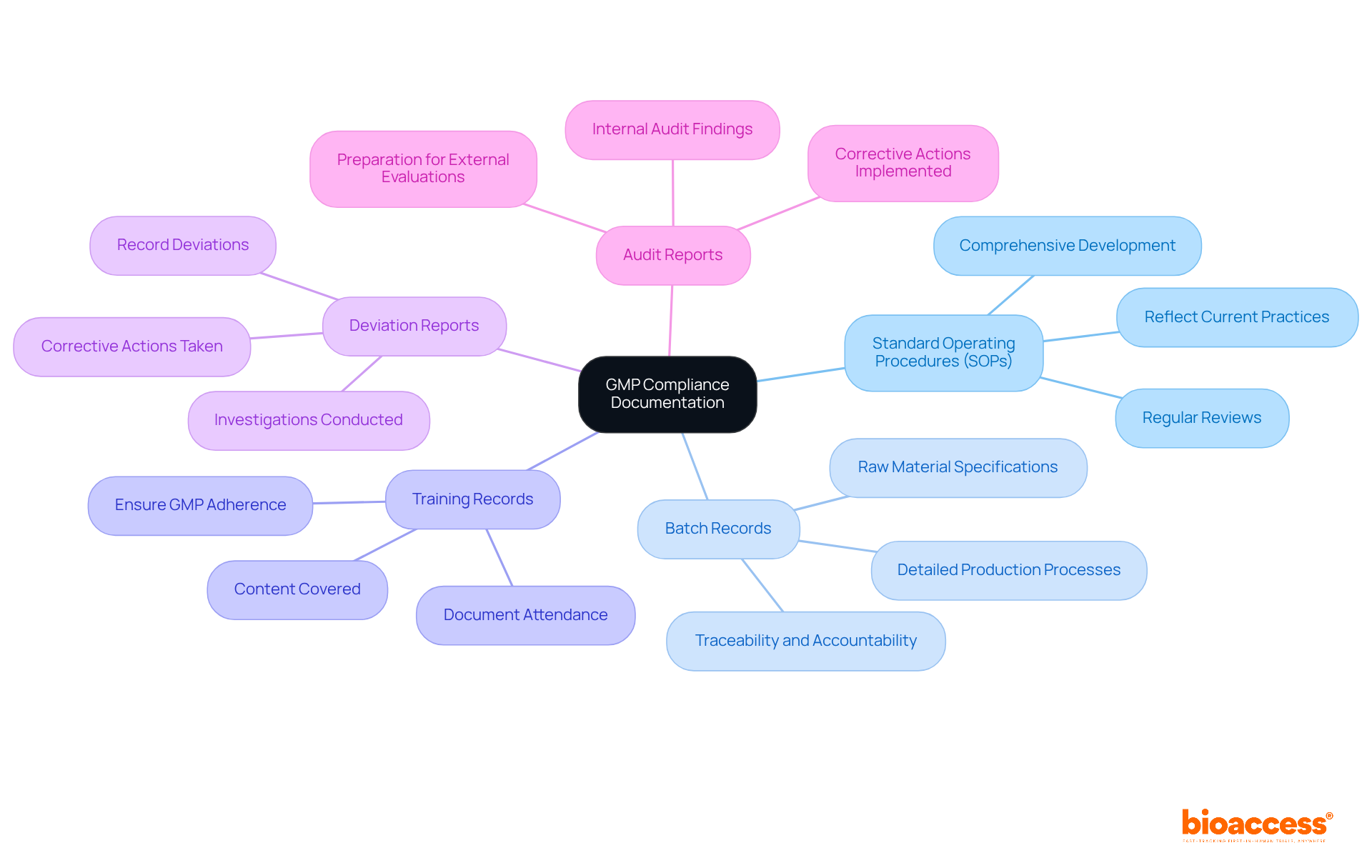
The central node represents the overall theme of GMP compliance documentation. Each branch shows a specific type of document, with further details on its importance and role in ensuring compliance.

Train Staff for Inspection Readiness

Training your staff is essential for achieving GMP inspection readiness for biopharma in Albania. To ensure your team is ready, follow these essential steps:

  • Conduct Regular Training Sessions: Schedule ongoing training sessions focused on GMP principles, inspection processes, and specific roles during an inspection. This ongoing dedication is vital; achieving GMP inspection readiness for biopharma in Albania should be viewed as a continual undertaking rather than a singular occurrence.
  • Simulate Assessments: Arrange mock evaluations to familiarize staff with the assessment process and expectations. This practice can help reduce anxiety and enhance performance during real evaluations, providing a realistic setting for training.
  • Provide Clear Guidelines: Ensure that all employees understand their responsibilities during a review, including who will engage with inspectors and how to respond to questions. Reviewing modifications implemented in the past two years can also assist staff in grasping their implications for adherence.
  • Encourage Open Communication: Foster an environment where staff feel comfortable asking questions and discussing concerns related to GMP adherence and evaluations. Engaging external experts for unbiased assessments can further enhance the dialogue on GMP inspection readiness for biopharma in Albania.

By investing in comprehensive training, you can boost your team's confidence and competence, leading to a more successful evaluation outcome. Notably, the number of Form 483s issued to drug establishments increased by approximately 116% from FY2021 to FY2022, underscoring the growing scrutiny in the pharmaceutical sector and the pressing need for robust training programs.
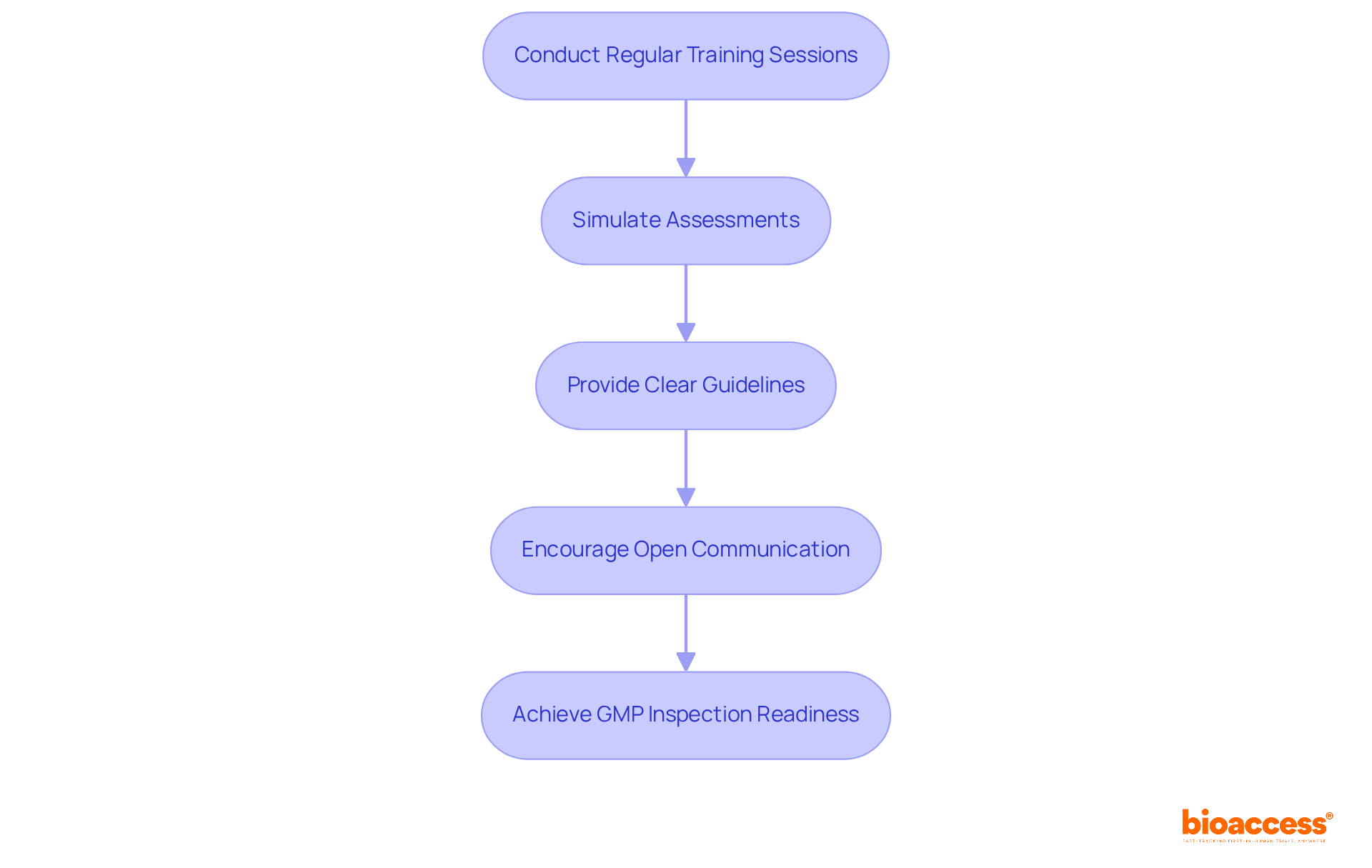
Each box represents a crucial step in preparing your staff for inspections. Follow the arrows to see how each step builds on the previous one, leading to a more prepared and confident team.

Identify and Avoid Common GMP Inspection Pitfalls

To ensure a successful GMP evaluation, it is crucial to recognize common pitfalls that can lead to non-compliance. Focus on the following key areas:

  • Inadequate Documentation: Complete, accurate, and readily accessible records are essential. Approximately 60% of adherence failures arise from insufficient or flawed documentation, often leading to evaluation failures. Inadequate documentation may also result in product recalls due to safety or efficacy concerns. Organizations must prioritize thorough documentation practices to avoid serious consequences, including regulatory penalties and product recalls.

  • Poor Training Practices: Insufficient training can lead to misunderstandings of procedures and protocols. Regular training sessions and assessments are vital to maintain compliance and ensure that all staff are well-informed about current practices and expectations.

  • Neglecting Internal Audits: Conducting regular internal audits is essential for identifying potential issues before evaluations occur. Organizations that neglect this process risk unaddressed non-compliance, which can result in significant discoveries during GMP evaluations.

  • Ignoring Corrective Actions: Promptly documenting and addressing deviations is critical. Disregarding these concerns can lead to recurring failures during evaluations, as unresolved non-conformances may result in official warning letters from regulatory bodies. Establishing strong Corrective and Preventive Actions (CAPA) systems is crucial for ensuring adherence and tackling documentation issues effectively.

By proactively addressing these common pitfalls and fostering a culture of quality and compliance, organizations can significantly enhance their GMP inspection readiness for biopharma in Albania. This improvement not only boosts overall compliance but also ensures that documentation practices are standardized and consistently followed.
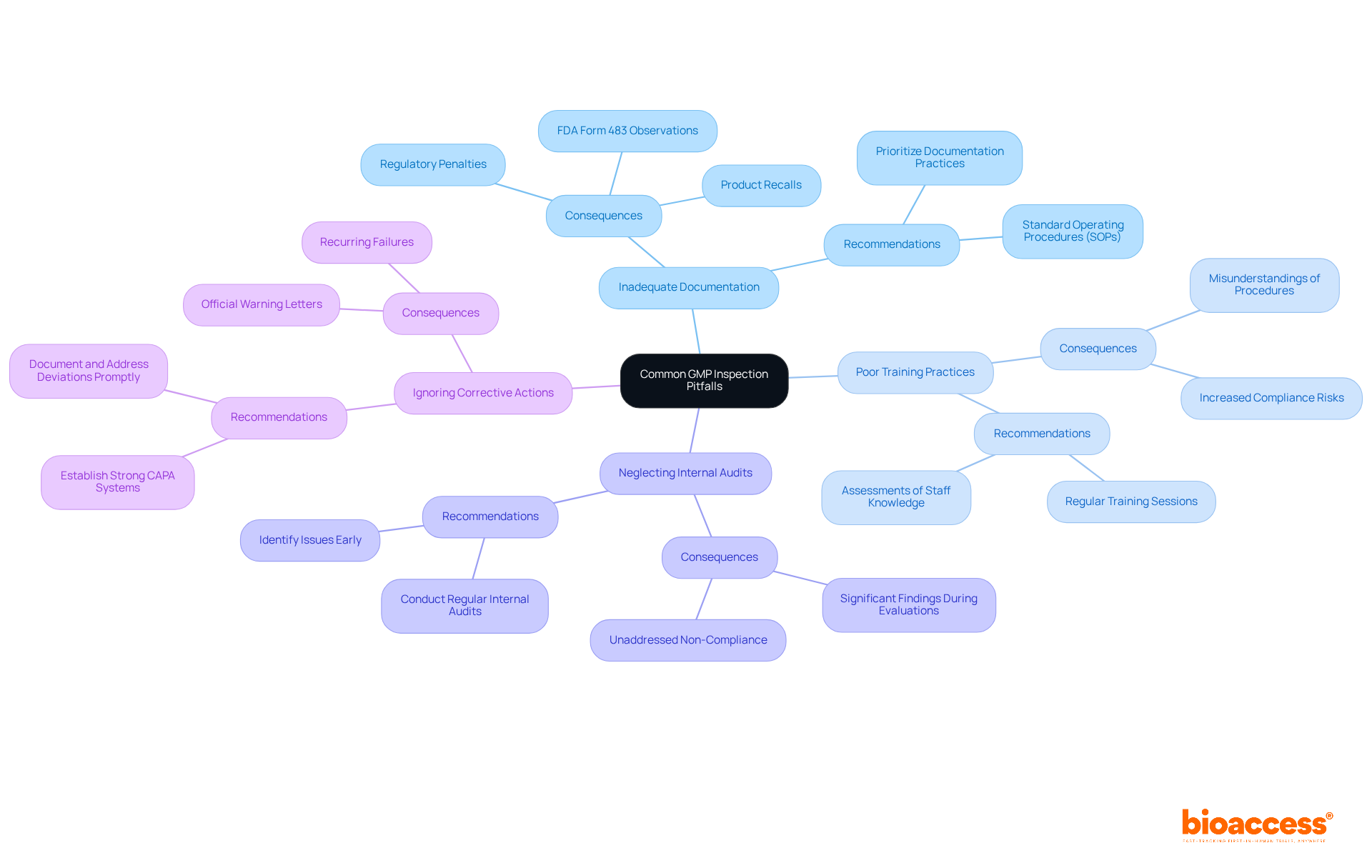
The center shows the main topic of GMP inspection pitfalls. Each branch represents a specific area of concern, and the sub-branches provide additional details or consequences related to those areas. This layout helps you see how each pitfall connects to the overall goal of compliance.

Conclusión

Achieving GMP inspection readiness for biopharma in Albania is not just a regulatory requirement; it’s a strategic imperative. Organizations must fully grasp local regulations and adhere to Good Manufacturing Practices (GMP) to ensure product quality and safety, all while positioning themselves competitively in the biopharmaceutical sector.

Key elements of this preparation include:

  • Developing a robust Quality Management System
  • Maintaining meticulous documentation
  • Investing in comprehensive staff training

Each of these components is vital for compliance with both Albanian and EU standards. By proactively addressing common pitfalls - such as inadequate documentation and insufficient training - organizations can significantly enhance their readiness for GMP inspections and minimize the risk of non-compliance.

Ultimately, committing to GMP inspection readiness transcends mere compliance; it embodies a dedication to quality, safety, and operational excellence. Organizations should take decisive action now to implement these practices, ensuring they not only meet regulatory requirements but also cultivate a culture of continuous improvement and accountability within their teams. Embracing these principles will pave the way for success in the evolving biopharma landscape in Albania and beyond.

Frequently Asked Questions

What are GMP regulations in Albania?

GMP regulations in Albania govern Good Manufacturing Practices and are overseen by the Albanian Agency for Medicinal Products and Medical Devices (AMPMD). These regulations align closely with EU standards to ensure compliance and product quality.

Why is GMP inspection readiness important for biopharma organizations in Albania?

GMP inspection readiness is crucial for biopharma organizations to meet local and EU standards, ensuring high levels of compliance and enhancing product quality and safety.

What are the key focus areas for achieving GMP compliance?

The key focus areas include Quality Management Systems (QMS), facility requirements, personnel training, and thorough documentation of procedures.

What should a Quality Management System (QMS) include?

A QMS should include comprehensive documentation, effective training programs, and stringent quality control processes tailored to the organization's product category and complexity.

What are the facility requirements for GMP compliance?

Manufacturing facilities must be designed and operated according to specific standards that ensure product safety and quality, with GMP certification required for medical devices and pharmaceuticals to access certain markets.

Why is personnel training important in GMP compliance?

Personnel training is essential to ensure that all staff engaged in production understand GMP principles and practices, which helps uphold standards and operational excellence.

What documentation is necessary for GMP compliance?

Detailed records of all procedures, including batch production records, quality control tests, and deviations from established protocols, are necessary to demonstrate adherence during audits.

How often do audits occur for GMP compliance in Albania?

Audits for intricate manufacturing activities may occur every six months to ensure ongoing compliance with GMP regulations.

List of Sources

  1. Understand GMP Regulations in Albania
  • GMP Compliance of Foreign Suppliers: The Importers Guide [eBook] (https://intouch-quality.com/gmp-compliance-of-foreign-suppliers-the-importers-guide-ebook)
  • GMP Certification in Albania | ToP 10 GMP Consultants in Albania (https://b2bcert.com/gmp-certification-in-albania)
  • Albania Drug Registration Process | OMC Medical Limited (https://omcmedical.com/albania-drug-registration-process)
  1. Prepare Essential Documentation for GMP Compliance
  • 5 Important Things for Life Sciences Companies to Consider | MasterControl (https://mastercontrol.com/gxp-lifeline/quality-inspiration)
  • Good Manufacturing Practices Requirements in [year] - Pharmuni (https://pharmuni.com/2025/12/01/gmp-requirements-guide)
  • GMP Documentation Guidelines | Tech Safety Services (https://techsafety.com/blog/gmp-documentation)
  • Quality quotes for Pharmaceutical Quality Units | Bhavin Gandhi posted on the topic | LinkedIn (https://linkedin.com/posts/bhavin-gandhi-6206a168_quality-quotes-for-pharmaceutical-quality-activity-7304872887990034434-0edd)
  • 10 inspirational quotes for the pharma sector (https://pharmaceuticalmanufacturer.media/pharmaceutical-industry-insights/10-inspirational-quotes-for-the-pharma-sector)
  1. Train Staff for Inspection Readiness
  • Yogi Berra's Non-sensical Quotes on Good Manufacturing Practices (cGMP) (https://linkedin.com/pulse/yogi-berras-non-sensical-quotes-good-manufacturing-practices-ahn)
  • GMP Inspection Readiness is all about preparation - PART 1 (https://linkedin.com/pulse/gmp-inspection-readiness-all-preparation-part-1-daniel-barreto)
  • When Training Falls Short: FDA Findings on GMP Training Deficiencies in 2025 - ECA Academy (https://gmp-compliance.org/gmp-news/when-training-falls-short-fda-findings-on-gmp-training-deficiencies-in-2025)
  • 10 Essential GMP Requirements for Compliance Officers in Pharma (https://avslifesciences.com/blog-post/10-essential-gmp-requirements-for-compliance-officers-in-pharma)
  1. Identify and Avoid Common GMP Inspection Pitfalls
  • Yogi Berra's Non-sensical Quotes on Good Manufacturing Practices (cGMP) (https://linkedin.com/pulse/yogi-berras-non-sensical-quotes-good-manufacturing-practices-ahn)
  • Quality quotes for Pharmaceutical Quality Units | Bhavin Gandhi posted on the topic | LinkedIn (https://linkedin.com/posts/bhavin-gandhi-6206a168_quality-quotes-for-pharmaceutical-quality-activity-7304872887990034434-0edd)
  • Inadequate Documentation Practices in GMP Audits: Avoiding Data Gaps – PharmaRegulatory.in – India’s Regulatory Knowledge Hub (https://pharmaregulatory.in/inadequate-documentation-practices-in-gmp-audits-avoiding-data-gaps)
  • 5 Important Things for Life Sciences Companies to Consider | MasterControl (https://mastercontrol.com/gxp-lifeline/quality-inspiration)
  • 60% of Compliance Failures Start with Poor Documentation (https://qualitysystemsnow.com.au/latestnews/b/60-of-compliance-failures-start-with-poor-documentation)
Author: Bioaccess Content Team