

Navigating the complex landscape of clinical trial submissions is no small feat, especially when faced with the stringent requirements imposed by regulatory bodies like ALIMS. This guide serves as an essential resource, providing a comprehensive overview of the critical steps and best practices needed to master the electronic submission of clinical trial documents.
With regulations constantly evolving and the risk of submission errors looming, how can researchers ensure their documents are not only compliant but also submitted efficiently?
By delving into the intricacies of ALIMS requirements and addressing common pitfalls, researchers can significantly streamline the submission process, ultimately enhancing the success of their clinical trials.
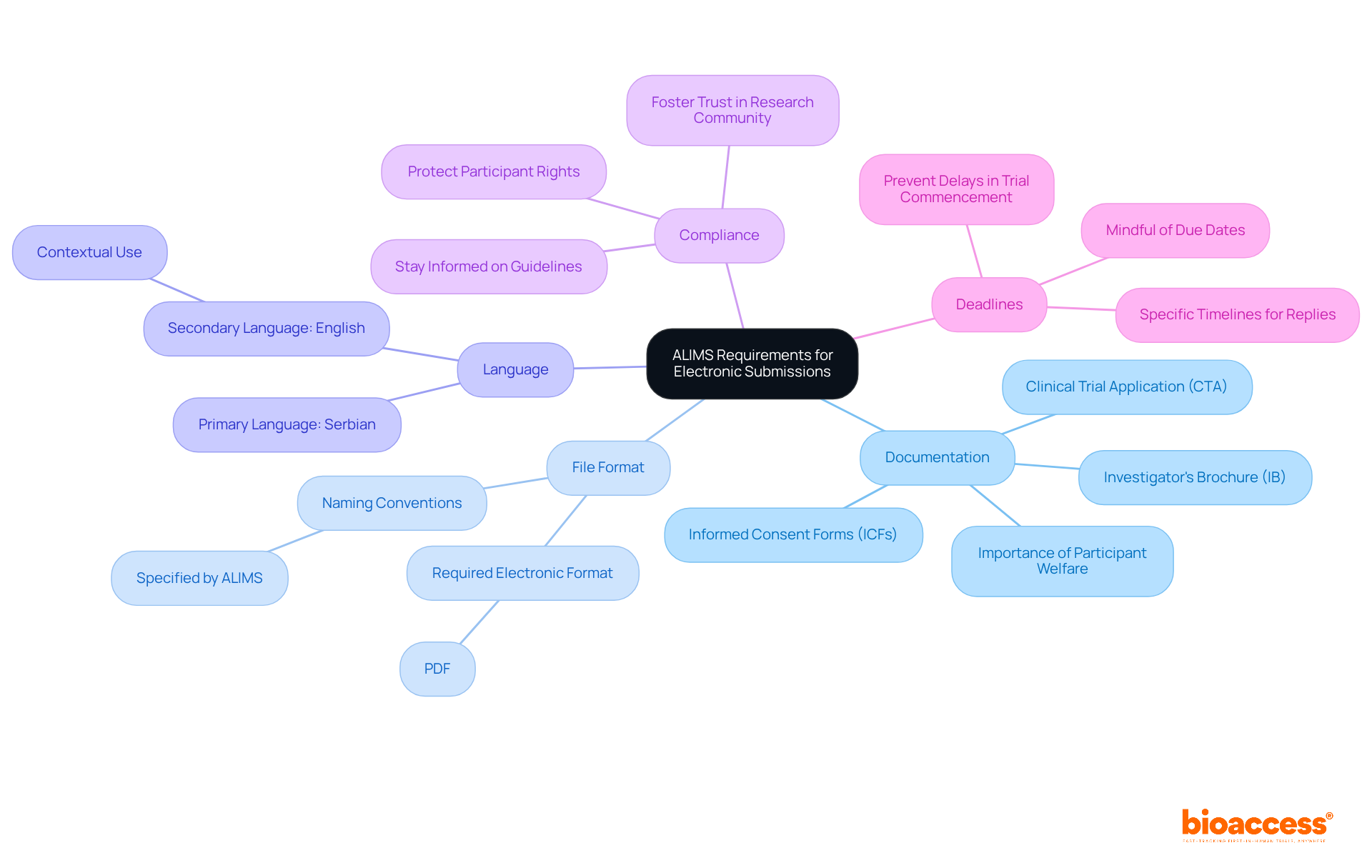
To effectively submit clinical trial documents to ALIMS, understanding the following requirements is essential:
To effectively prepare your clinical trial documents for submission to ALIMS, it’s crucial to follow these best practices:
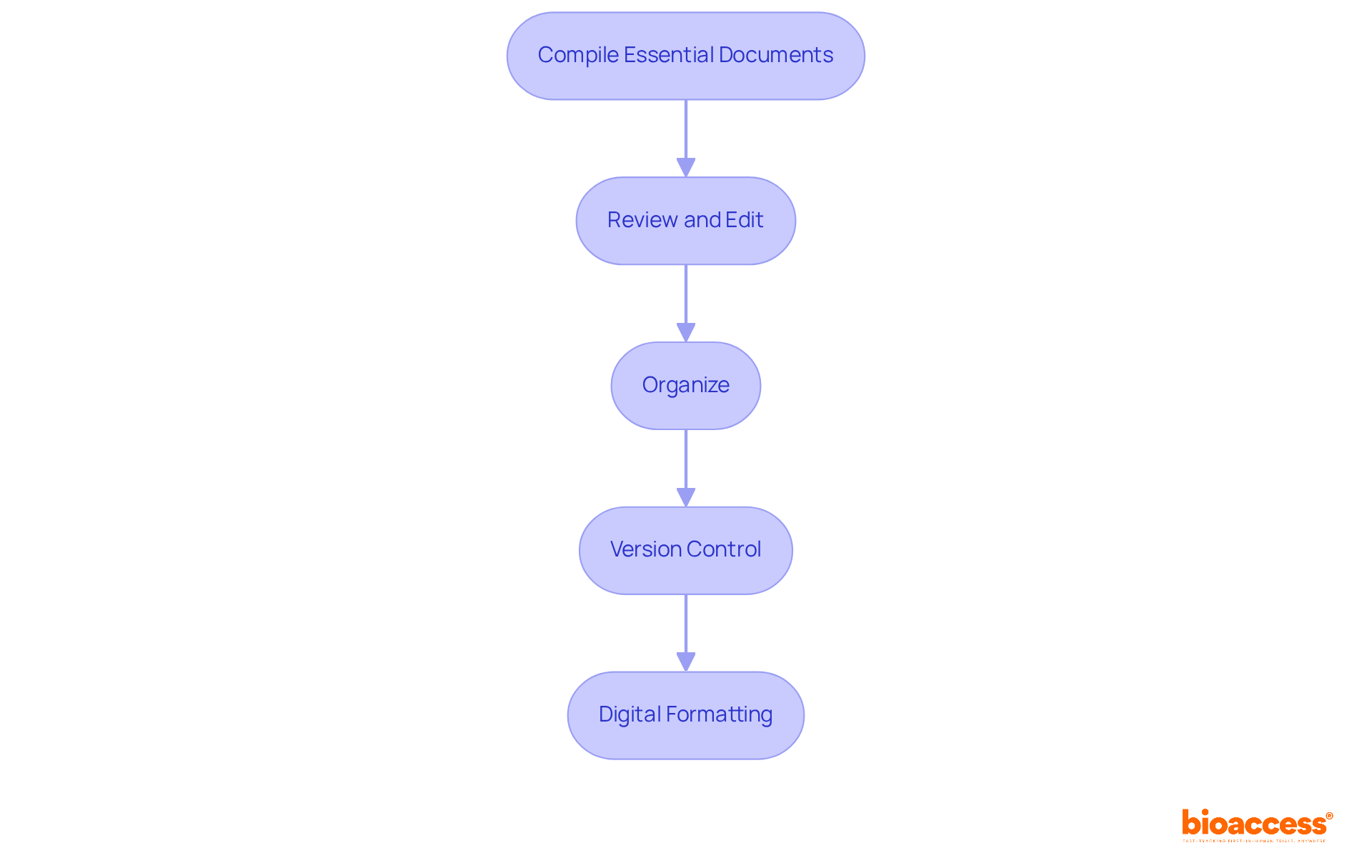
Compile Essential Documents: Gather all required materials, including:
Review and Edit: Conduct a thorough assessment of each file to ensure precision, completeness, and adherence to requirements. This step is vital, as the average time needed to prepare clinical trial materials can range from several weeks to months, depending on the trial's complexity.
Organize: Arrange files in the sequence outlined by ALIMS, typically starting with the Clinical Trial Application (CTA) followed by additional materials. This structured approach facilitates a smoother review process.
Version Control: Clearly label file versions to avoid confusion during the review. A systematic versioning system is essential for tracking changes and ensuring that the most current files are submitted.
Digital Formatting: Convert all files to the required electronic format, ensuring they are properly indexed and easily accessible. This step aligns with the anticipated regulatory changes in 2025, which underscore the importance of electronic filings for efficiency.
By adhering to these best practices, you can enhance the organization and clarity of your clinical trial documents, which will facilitate the electronic submission of clinical trial documents to ALIMS and ultimately expedite the approval process with the regulatory body.
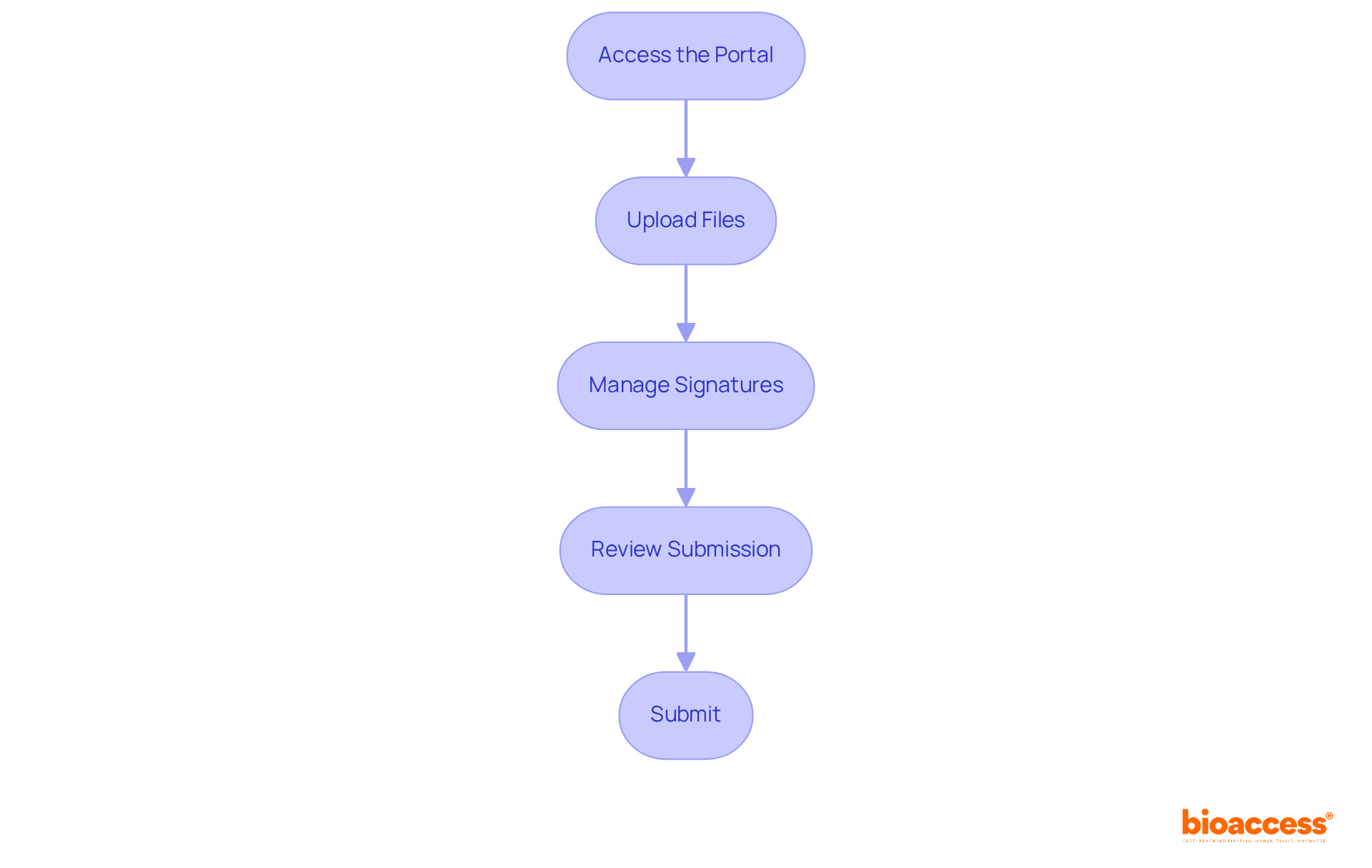
To effectively navigate the ALIMS electronic submission portal, follow these essential steps:
By following these steps, you can improve the success rates of electronic entries to the system, ensuring a more efficient and streamlined method for clinical trial documentation.
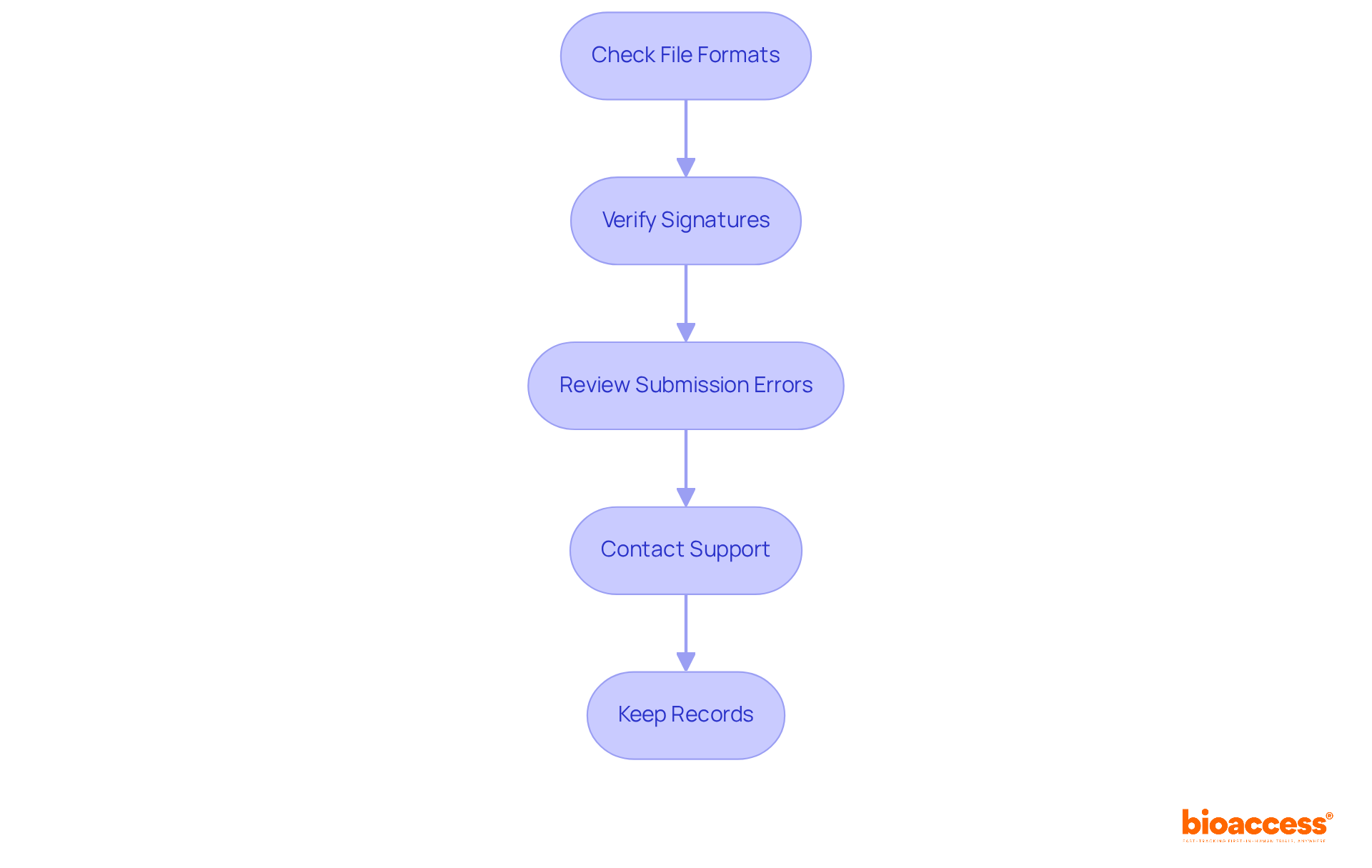
When facing challenges during the ALIMS submission process, it’s crucial to follow these troubleshooting steps to ensure a smooth experience:
Check File Formats: Confirm that all files are formatted correctly, typically in PDF, and adhere to ALIMS specifications. Adhering to formatting standards is vital; non-compliance can lead to delays in submission. Recent statistics indicate that following format compliance significantly decreases error rates in entries.
Verify Signatures: Ensure that all required signatures are present and valid. For digital entries, it’s essential that electronic signatures are properly linked to the respective documents to avoid rejection. Industry specialists emphasize that proper signature verification is a key element in successful entries.
Review Submission Errors: If the submission portal displays an error message, read it carefully. These messages often provide specific guidance on what needs correction, streamlining the troubleshooting process. With recent changes in regulatory timelines, addressing these errors promptly has become even more critical.
Contact Support: Should issues persist, don’t hesitate to reach out to ALIMS technical support. Provide detailed information about the problem, including error messages and document specifics, to facilitate a quicker resolution. Remember, prompt communication with support can accelerate the resolution process.
Keep Records: Document any issues encountered along with the steps taken to resolve them. This practice not only assists in future entries but also enhances the overall procedure for proposals. Maintaining comprehensive records can help recognize patterns in challenges related to entries, leading to improved strategies in the future.
By adhering to these steps, you can effectively navigate common submission challenges and enhance the efficiency of the electronic submission of clinical trial documents to ALIMS.
Mastering the electronic submission of clinical trial documents to ALIMS is not just essential; it’s a cornerstone for ensuring compliance and facilitating efficient research processes. Understanding the specific requirements and best practices outlined in this guide empowers researchers to navigate the complexities of electronic submissions with both confidence and precision.
Key aspects covered include:
Moreover, this guide emphasizes the vital role of troubleshooting common issues that may arise during the submission process, ensuring that researchers are well-prepared to tackle potential challenges head-on.
Ultimately, embracing these strategies streamlines the submission process and significantly contributes to the integrity and success of clinical trials. By prioritizing accurate documentation and proactive problem-solving, researchers can enhance their chances of timely approvals and foster trust within the regulatory landscape. Taking these steps will not only benefit individual trials but also advance the field of clinical research as a whole.
What documents are required for electronic submissions to ALIMS?
Essential documents include the Clinical Trial Application (CTA), Investigator's Brochure (IB), and Informed Consent Forms (ICFs).
What format should the submitted files be in?
Files should be submitted in the required electronic format, typically PDF, and must adhere to the naming conventions specified by the ALIMS system.
In what language should submissions be made?
Submissions should primarily be in Serbian, although certain documents may be submitted in English depending on the context.
Why is compliance with guidelines important?
Compliance is crucial as it protects participant rights and fosters trust within the research community. Staying informed about the latest guidelines ensures adherence to any changes in reporting protocols.
What should be considered regarding deadlines for submissions?
It is important to be mindful of due dates and specific timelines for replies from the ALIMS system to prevent delays in the commencement of clinical trials. Understanding these timelines is essential for maintaining the momentum of clinical research.