

The Therapeutic Goods Administration (TGA) is crucial in shaping clinical trials in Australia. It ensures that research involving unapproved therapeutic products is conducted with the highest safety and ethical standards. As the regulatory authority, the TGA's expectations for trial oversight are not mere guidelines; they form essential frameworks that protect participant welfare while encouraging innovation in the medical field.
However, navigating these complex regulations poses significant challenges for sponsors and researchers. How can stakeholders effectively align their practices with TGA expectations to ensure compliance and achieve successful trial outcomes? This question is vital for anyone involved in clinical research, as understanding and adhering to these regulations is key to fostering a productive research environment.
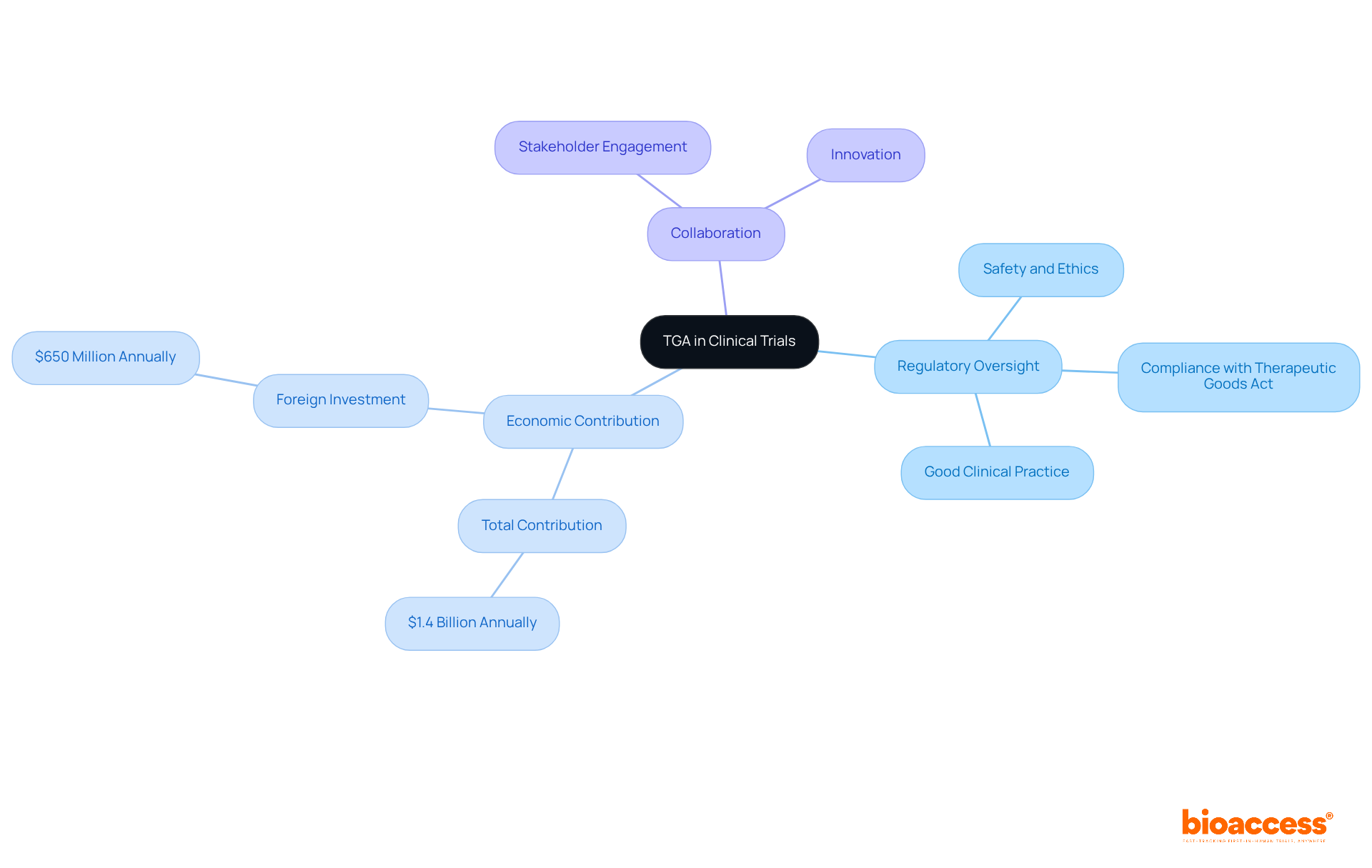
The Therapeutic Goods Administration (TGA) serves as Australia's regulatory authority overseeing research involving unapproved therapeutic products. Its primary goal is to ensure that these studies are conducted safely and ethically, safeguarding the rights and welfare of participants. By supervising the importation, provision, and application of therapeutic products in research studies, the TGA ensures compliance with the Therapeutic Goods Act 1989. This includes assessing research protocols for scientific validity and overseeing ongoing studies to uphold Good Clinical Practice (GCP) standards.
In 2025, the TGA's oversight remains vital, shaping the clinical research landscape and contributing approximately $1.4 billion annually to the Australian economy, with foreign investment accounting for $650 million of this total. Understanding the TGA expectations for trial oversight in Australia is essential for both sponsors and researchers, as it enables them to navigate the regulatory framework effectively and ensure their studies meet all legal and ethical standards.
As the Medtech landscape evolves, the TGA's role in addressing key challenges becomes increasingly significant. Collaboration among stakeholders is crucial to foster innovation and maintain high standards in clinical research. By working together, researchers can leverage the TGA's expertise to enhance their studies and drive advancements in therapeutic products.
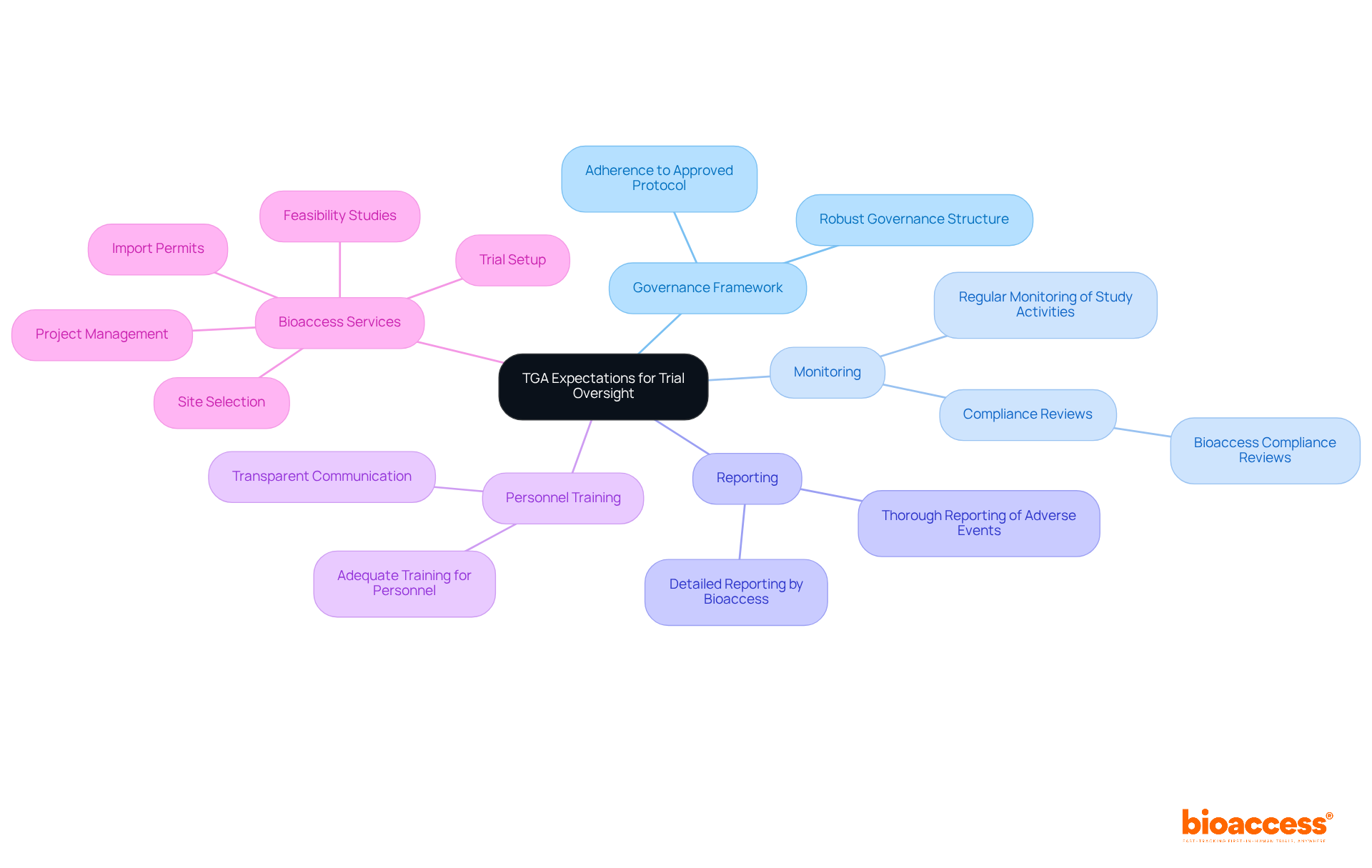
The TGA expectations for trial oversight in Australia include clear guidelines that emphasize the necessity of a robust governance framework, regular monitoring of study activities, and thorough reporting of adverse events. Sponsors are required to ensure that all research studies adhere to the approved protocol, with any deviations promptly reported to the TGA. Additionally, the TGA expects that all personnel involved in the study are adequately trained and that there is a transparent line of communication between the site and the regulatory body.
To address these critical requirements, bioaccess provides comprehensive clinical trial management services. These include:
Such oversight is essential for safeguarding participant safety and ensuring the reliability and validity of the data collected. By collaborating with bioaccess, sponsors can navigate the complexities of clinical research with confidence.
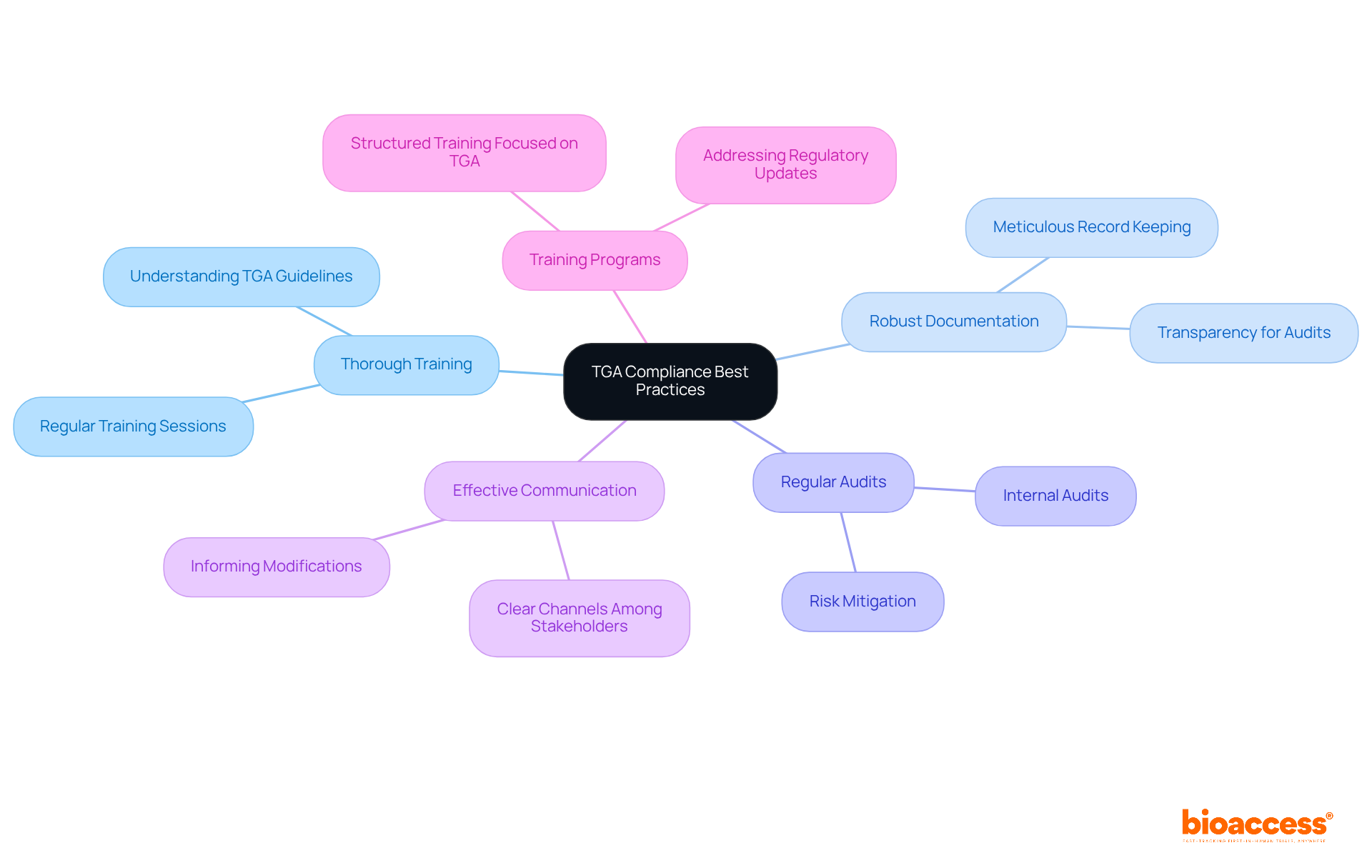
To ensure compliance with TGA regulations, trial sponsors must adopt several best practices:
Thorough Training: All team members must be well-versed in TGA guidelines and Good Clinical Practice (GCP) principles. Regular training sessions not only enhance understanding but also uphold high standards, ensuring that staff are equipped to navigate the complexities of regulatory requirements.
Robust Documentation: Maintaining meticulous records of all trial-related activities is crucial. This includes protocol amendments, informed consent forms, and adverse event reports. Thorough documentation is essential for audits and inspections, offering transparency and assisting with submission requirements.
Regular Audits: Conducting internal audits serves as a proactive measure to evaluate adherence to TGA requirements. These audits help identify areas for improvement and mitigate risks before they escalate, ensuring compliance with regulatory standards throughout the trial's duration.
Effective Communication: Establishing clear communication channels among all stakeholders-including investigators, ethics committees, and the TGA-is essential. This guarantees that everyone is informed of any modifications or issues that arise during the testing phase, fostering teamwork and enhancing the overall adherence process.
Training Programs: Implementing structured training programs focused on TGA guidelines can significantly boost staff competency. These programs should address the latest regulatory updates and practical applications to ensure that research staff are well-prepared to effectively meet TGA expectations for trial oversight in Australia.
In addition to these optimal methods, bioaccess offers extensive study management services, including feasibility assessments, site selection, regulatory reviews, setup, import permits, project oversight, and reporting. This comprehensive approach ensures that all facets of the study are meticulously handled in accordance with TGA expectations for trial oversight in Australia.
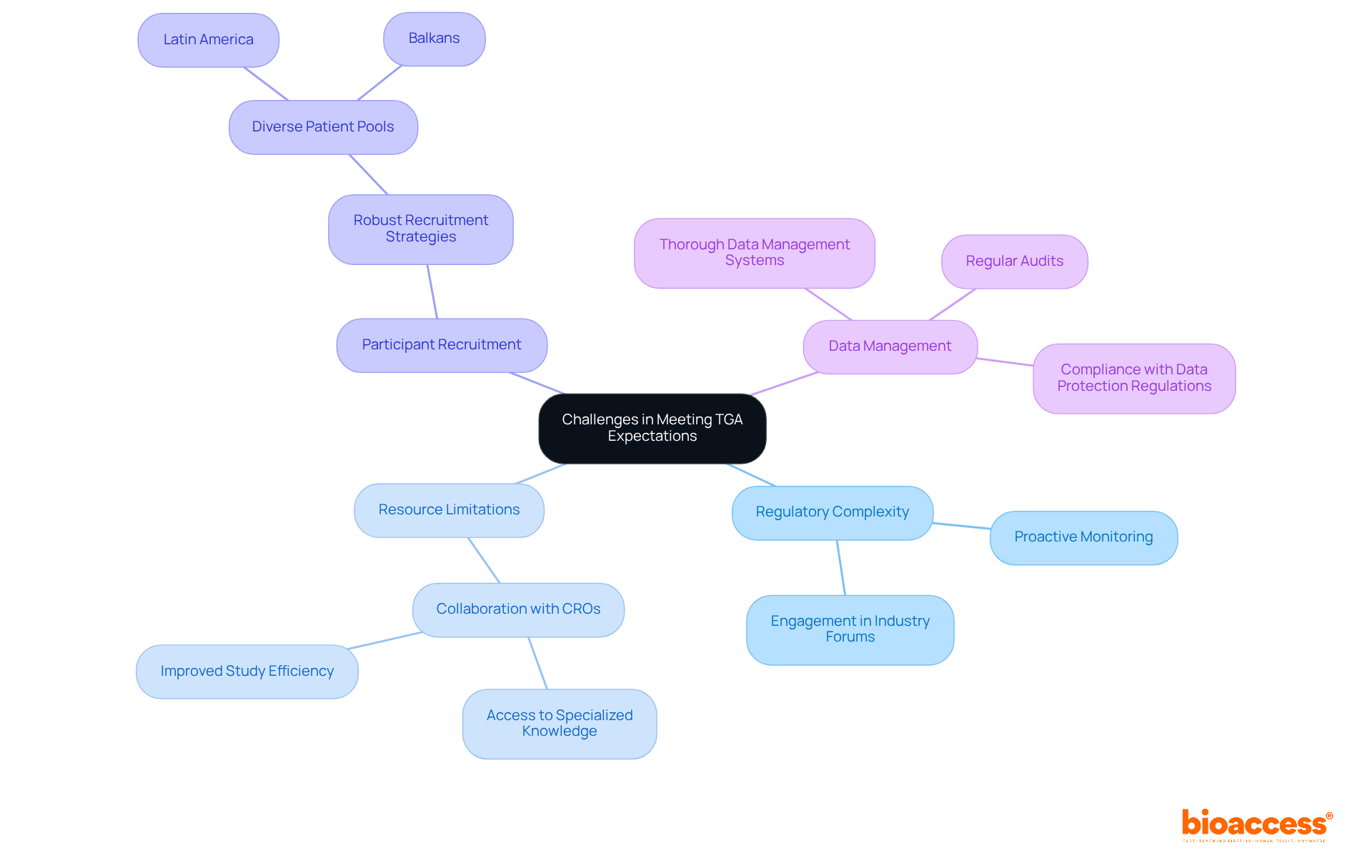
Meeting TGA expectations presents several challenges that require strategic navigation:
Regulatory Complexity: The dynamic landscape of TGA regulations can be overwhelming. To stay compliant, sponsors must actively monitor updates through TGA publications and engage in industry forums. This proactive approach is essential for adapting to regulatory changes that can significantly impact clinical research timelines and processes.
Resource Limitations: Many sponsors encounter restrictions in resources that can hinder adherence efforts. Collaborating with seasoned contract research organizations (CROs) such as bioaccess® can offer access to specialized knowledge and resources, simplifying the regulatory process and improving overall study efficiency.
Participant Recruitment: Identifying and recruiting suitable participants, particularly in niche therapeutic areas, can be a significant hurdle. Developing a robust recruitment strategy that leverages diverse patient pools, such as those available in Latin America and the Balkans, can substantially improve enrollment rates, enabling trials to meet their timelines.
Data Management: Maintaining data integrity while adhering to data protection regulations is critical. Establishing thorough data management systems and performing regular audits guarantees compliance and maintains the quality of data gathered during experiments. This is particularly important given that 78% of respondents have reported a positive impact from TGA's regulatory pathways, highlighting the importance of rigorous data practices.
By addressing these challenges with informed strategies and leveraging the capabilities of specialized partners, sponsors can navigate the complexities of TGA regulations more effectively, ultimately leading to successful clinical trial outcomes.
The TGA plays a crucial role in ensuring the safety and ethical conduct of clinical trials in Australia, guiding researchers and sponsors through a complex regulatory landscape. Understanding the TGA's expectations for trial oversight is essential for compliance and fostering innovation in therapeutic research. By adhering to these guidelines, stakeholders can protect participant welfare and contribute to the growth of the Australian economy through successful clinical research initiatives.
Key insights into TGA expectations highlight the necessity for:
Implementing best practices - such as thorough training, meticulous documentation, and proactive audits - can significantly enhance compliance efforts. Additionally, addressing challenges like regulatory complexity and resource limitations through collaboration with experienced partners can streamline the trial process, ultimately leading to more effective and efficient studies.
In light of these considerations, it is crucial for sponsors and researchers to stay informed about evolving TGA regulations and actively engage with the resources available to them. By embracing a collaborative approach and committing to high standards of practice, the clinical research community can not only meet TGA expectations but also drive advancements that enhance the quality of therapeutic products and improve patient outcomes.
What is the role of the Therapeutic Goods Administration (TGA) in clinical trials?
The TGA is Australia's regulatory authority that oversees research involving unapproved therapeutic products, ensuring studies are conducted safely and ethically while protecting the rights and welfare of participants.
What legislation does the TGA ensure compliance with in clinical trials?
The TGA ensures compliance with the Therapeutic Goods Act 1989, which includes assessing research protocols for scientific validity and overseeing ongoing studies to maintain Good Clinical Practice (GCP) standards.
How does the TGA contribute to the Australian economy?
The TGA contributes approximately $1.4 billion annually to the Australian economy, with foreign investment accounting for $650 million of this total.
Why is it important for sponsors and researchers to understand TGA expectations?
Understanding TGA expectations is essential for sponsors and researchers to navigate the regulatory framework effectively and ensure their studies meet all legal and ethical standards.
How is the TGA's role evolving in the Medtech landscape?
As the Medtech landscape evolves, the TGA's role in addressing key challenges becomes increasingly significant, emphasizing the importance of collaboration among stakeholders to foster innovation and maintain high standards in clinical research.
What is the significance of collaboration among stakeholders in clinical research?
Collaboration among stakeholders is crucial as it allows researchers to leverage the TGA's expertise, enhancing their studies and driving advancements in therapeutic products.