

Understanding the complexities of clinical trial insurance is crucial for researchers navigating the intricate landscape of medical studies in Croatia. This specialized insurance not only protects against financial liabilities but also plays a vital role in ensuring participant safety and fostering trust in the research process. With evolving regulations and the potential for significant risks, researchers must consider:
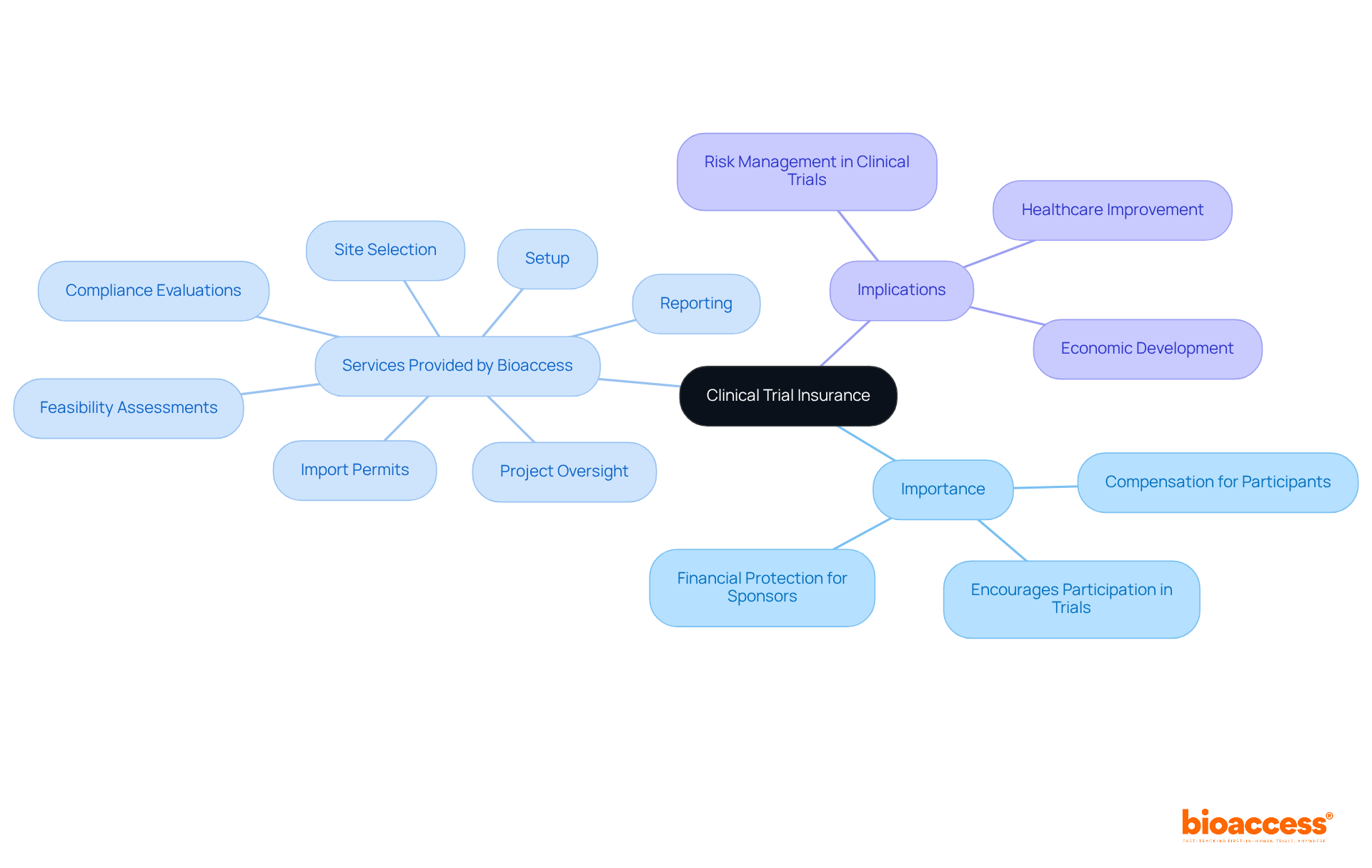
The clinical trial insurance rules in Croatia serve as a crucial safeguard for sponsors, researchers, and participants, shielding them from financial liabilities associated with clinical studies. This specialized coverage typically addresses liabilities arising from injuries or adverse effects experienced by participants during the study. Its significance is paramount; it not only protects the financial interests of sponsors but also ensures that participants receive compensation for any harm incurred due to their involvement.
Consider a recent case involving a biotech startup developing an innovative cancer treatment. Customized financial support allowed the company to proceed with its Phase I study, providing security against unforeseen events. Without adequate coverage, researchers face substantial financial risks that could deter them from conducting essential medical studies.
Moreover, advancements in experimental study protection have underscored the necessity for transparent compensation systems, particularly in light of evolving regulations and the increasing complexity of clinical trial insurance rules in Croatia. Experts in the field emphasize that the clinical trial insurance rules in Croatia are not merely a regulatory requirement; they are a fundamental aspect of ethical research practices that fosters trust and encourages greater participation in medical studies. Notably, 36 states require issuers to provide some level of coverage for research studies, while the ACA establishes a national minimum coverage standard, further highlighting the critical nature of such insurance.
Additionally, bioaccess enhances the effectiveness and safety of clinical studies through its comprehensive management services, which include:
Collectively, these services mitigate risks associated with medical studies, ultimately contributing to job creation, economic development, and healthcare improvement in local communities.
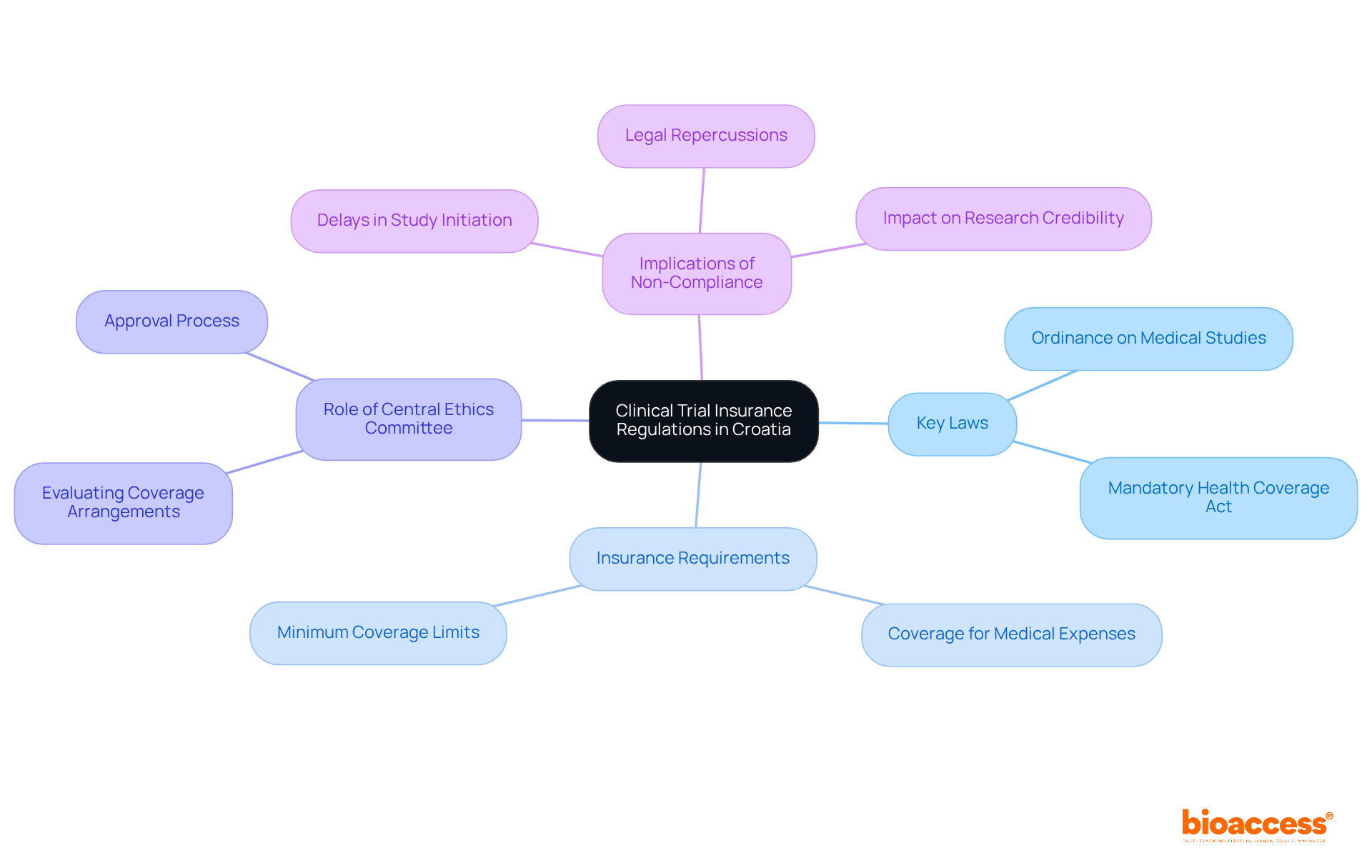
In Croatia, the regulation of medical study coverage, particularly the clinical trial insurance rules in Croatia, is governed by several key laws, notably the Ordinance on Medical Studies on Medicinal Products and the Mandatory Health Coverage Act. These regulations mandate that all clinical studies must implement adequate protections against potential liabilities, following the clinical trial insurance rules in Croatia. Specifically, the clinical trial insurance rules in Croatia dictate that policies must cover medical expenses for injuries sustained by participants during the study, with minimum coverage limits set by the Croatian government. To avoid penalties and facilitate the seamless execution of their studies, researchers must ensure that their coverage plans adhere to the clinical trial insurance rules in Croatia.
Moreover, the Central Ethics Committee plays a crucial role in evaluating and authorizing the coverage arrangements as part of the approval process. Data indicates that adherence to these coverage regulations is vital; non-compliance can lead to significant delays in the initiation of studies and potential legal repercussions. For instance, a well-structured coverage plan not only meets regulatory requirements but also enhances the credibility of the research process, fostering trust among participants and stakeholders alike. This underscores the necessity for researchers to prioritize compliance and collaboration in their clinical endeavors.
To secure clinical trial insurance in Croatia, researchers must follow these essential steps:
Assess Insurance Requirements: Begin by evaluating the necessary extent of protection based on the nature of the experiment, associated risks, and participant numbers. This assessment is crucial as it influences the type of policy needed.
Identify Specialized Providers: Seek out providers that specialize in supporting research studies and have a proven track record in the Croatian market. Notably, several providers focus on this niche, ensuring tailored solutions for researchers. Industry insights indicate there are roughly X insurance providers in Croatia that comply with clinical trial insurance rules in Croatia, dedicated to supporting research studies and assisting researchers in making informed choices.
Request Quotes: Reach out to multiple insurers to obtain quotes. Evaluating policy choices, limits, and costs is vital to identify the best match for the specific requirements of your assessment. As noted by Trident Insurance, understanding the distinct risks at every stage of clinical trials is essential for identifying suitable protection.
Review Policy Terms: Scrutinize the terms and conditions of each policy, particularly exclusions and limits of protection. Grasping these details helps prevent unforeseen gaps in coverage. Founder Shield emphasizes that clarity in policy terms is crucial for ensuring comprehensive protection.
Obtain Necessary Documentation: Prepare all required documentation, including experimental protocols and ethical approvals, as insurers will request this information to assess risk and coverage needs.
Finalize the Policy: After selecting a suitable policy, complete the agreement with the insurer, ensuring all necessary paperwork is accurately filled out.
Notify Regulatory Authorities: Inform the Central Ethics Committee and other pertinent regulatory bodies about the coverage arrangements, as this is a crucial aspect of the approval process.
By adhering to these measures, researchers can navigate the complexities of medical study coverage efficiently, ensuring adequate protection for their investigations. Furthermore, understanding the potential costs associated with medical experiments and the significance of customized insurance options can greatly influence the success of their research efforts.

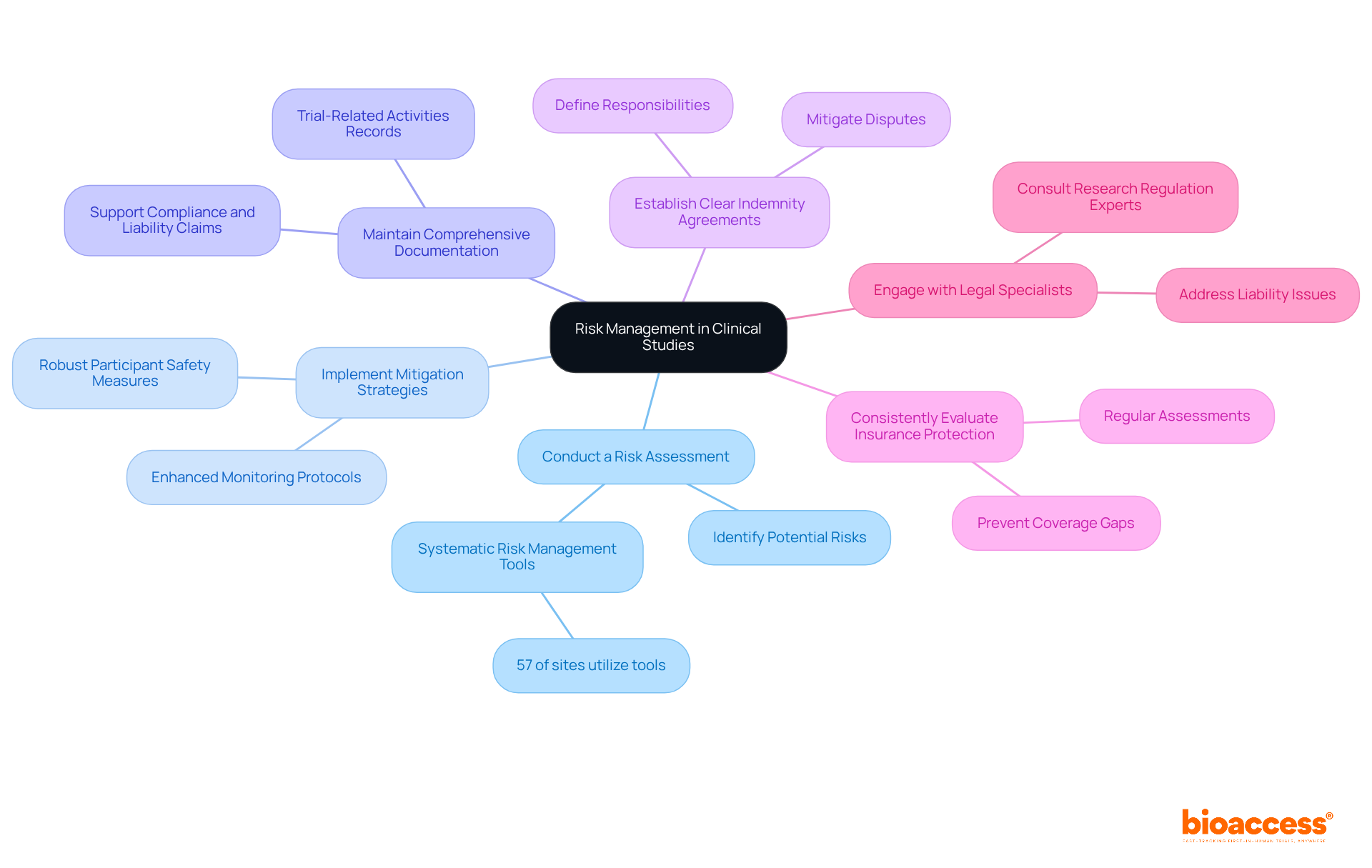
Effective risk management is crucial in clinical studies to minimize potential liabilities, particularly in the context of the clinical trial insurance rules in Croatia. Researchers must adopt several key strategies to navigate this complex landscape effectively:
Conduct a Risk Assessment: Begin by identifying potential risks associated with the study, such as participant safety, data integrity, and regulatory compliance. A systematic approach to risk identification can significantly enhance study outcomes. In fact, studies indicate that 57% of sites utilize systematic risk management tools, underscoring their importance.
Implement Mitigation Strategies: Develop and execute strategies to mitigate identified risks. This may include enhanced monitoring protocols and robust participant safety measures. Such proactive strategies are essential, especially given the increasing complexity of clinical studies and the pressing need for strong safety measures.
Maintain Comprehensive Documentation: It's vital to keep detailed records of all trial-related activities, including participant consent forms, adverse event reports, and communications with regulatory bodies. Comprehensive documentation not only supports compliance but also aids in addressing any liability claims that may arise.
Establish Clear Indemnity Agreements: Ensure that indemnity agreements are clearly defined to outline the responsibilities of all parties involved in the study, including sponsors, investigators, and insurers. Clear agreements help mitigate disputes and clarify liability in the event of adverse occurrences.
Consistently Evaluate Insurance Protection: Regularly assess and update insurance coverage to ensure it remains adequate as the study progresses and new risks emerge. Given that local policies often extend for the entire duration of the study, prompt evaluations are crucial to prevent coverage gaps.
Engage with Legal Specialists: Consult with legal professionals who specialize in research regulations to ensure compliance and effectively address any liability issues. Engaging legal expertise can provide valuable insights into current trends in liability considerations, particularly regarding the clinical trial insurance rules in Croatia and the evolving regulatory landscape in Europe.
By implementing these strategies, researchers can effectively navigate the complexities of clinical trial liability, ensuring both participant safety and regulatory compliance.
Understanding the clinical trial insurance rules in Croatia is crucial for researchers who want to navigate the complexities of medical studies effectively. This insurance not only shields sponsors and researchers from financial liabilities but also guarantees that participants receive compensation for any harm they may encounter during their involvement in clinical trials. The focus on ethical research practices and compliance with regulatory frameworks underscores the significance of these insurance rules as a cornerstone of trust in the research process.
Several key points emerge from this discussion:
Adhering to the clinical trial insurance rules is not just a regulatory obligation; it is essential for fostering a safe and trustworthy environment for all parties involved. Moreover, effective risk management strategies and thorough documentation are vital components that help minimize potential liabilities and ensure compliance.
In light of these insights, researchers must prioritize understanding and implementing the clinical trial insurance rules in Croatia. By doing so, they not only safeguard their own interests but also contribute to the advancement of medical research and the overall enhancement of healthcare in their communities. Engaging with legal experts and continuously evaluating insurance coverage can further bolster the integrity and success of clinical trials, ultimately paving the way for innovative treatments and solutions that benefit society as a whole.
What is clinical trial insurance?
Clinical trial insurance is a specialized coverage that protects sponsors, researchers, and participants from financial liabilities associated with clinical studies, particularly concerning injuries or adverse effects experienced by participants during the study.
Why is clinical trial insurance important?
It safeguards the financial interests of sponsors and ensures that participants receive compensation for any harm incurred due to their involvement in clinical trials, thereby promoting ethical research practices and trust in medical studies.
What are the consequences of not having adequate clinical trial insurance?
Without sufficient coverage, researchers face substantial financial risks that could deter them from conducting essential medical studies, potentially hindering advancements in healthcare.
How do the clinical trial insurance rules in Croatia support research?
The rules provide a framework that protects the rights of participants and the financial interests of sponsors, fostering a safe environment for conducting clinical trials.
What services does bioaccess provide to enhance clinical studies?
Bioaccess offers comprehensive management services including feasibility assessments, site selection, compliance evaluations, setup, import permits, project oversight, and reporting to mitigate risks associated with medical studies.
How do clinical trial insurance regulations impact participant trust?
The regulations ensure transparent compensation systems and ethical research practices, which foster trust among participants and encourage greater involvement in medical studies.
What is the national context for clinical trial insurance in the United States?
In the U.S., 36 states require issuers to provide some level of coverage for research studies, and the Affordable Care Act (ACA) establishes a national minimum coverage standard, emphasizing the critical nature of such insurance.